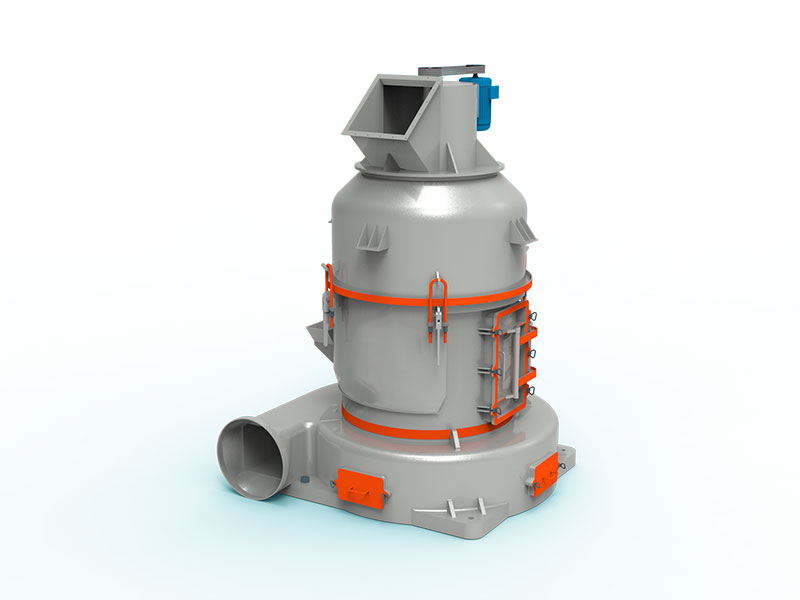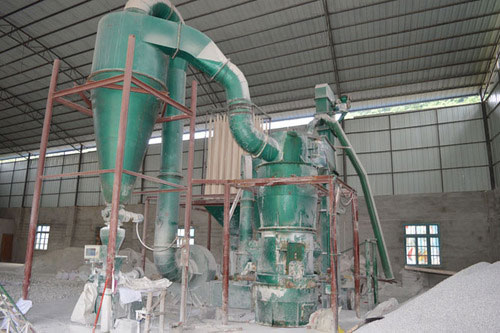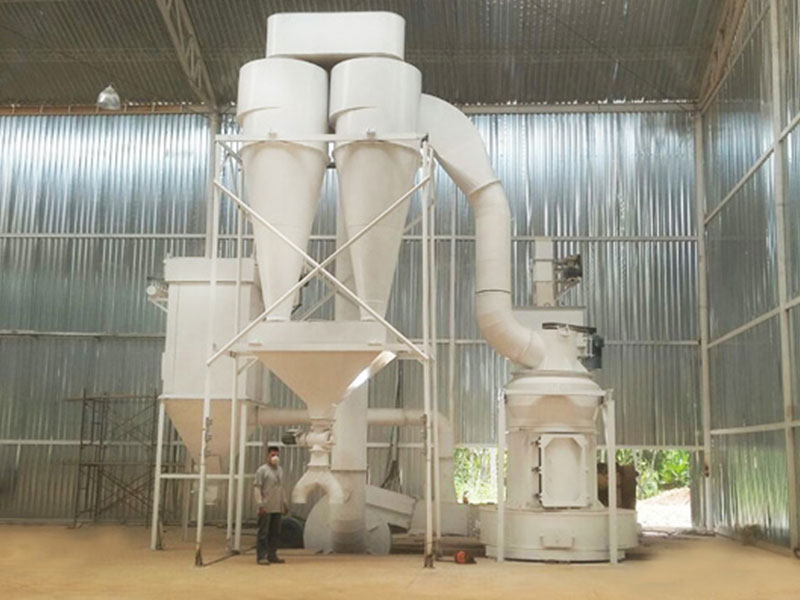

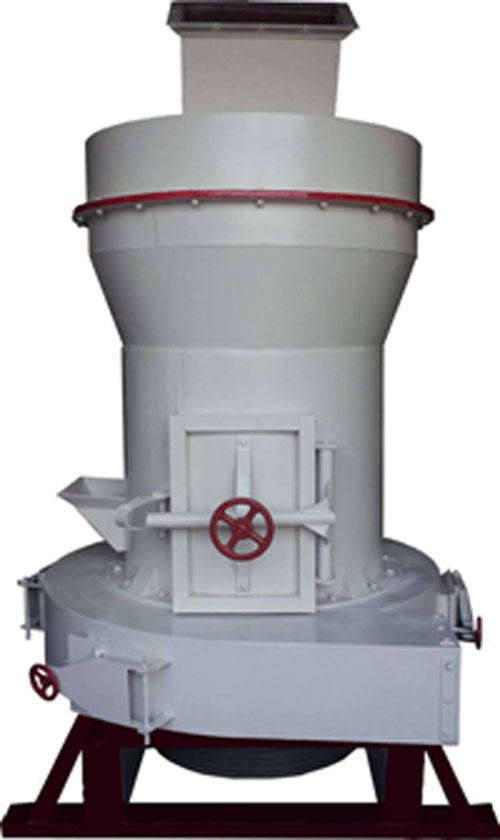
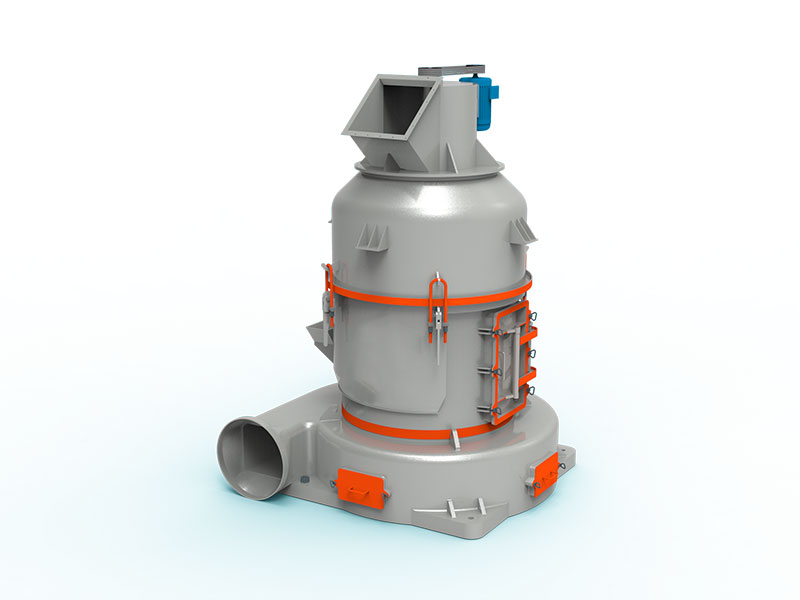
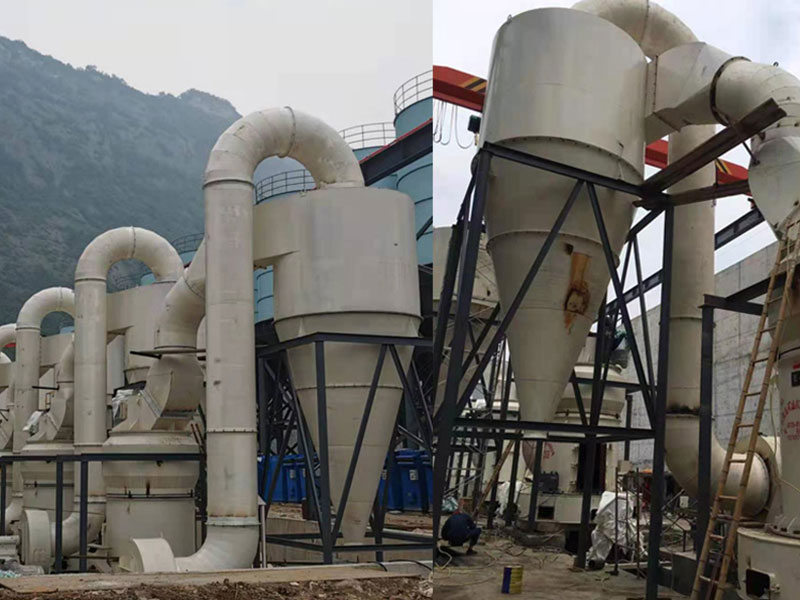
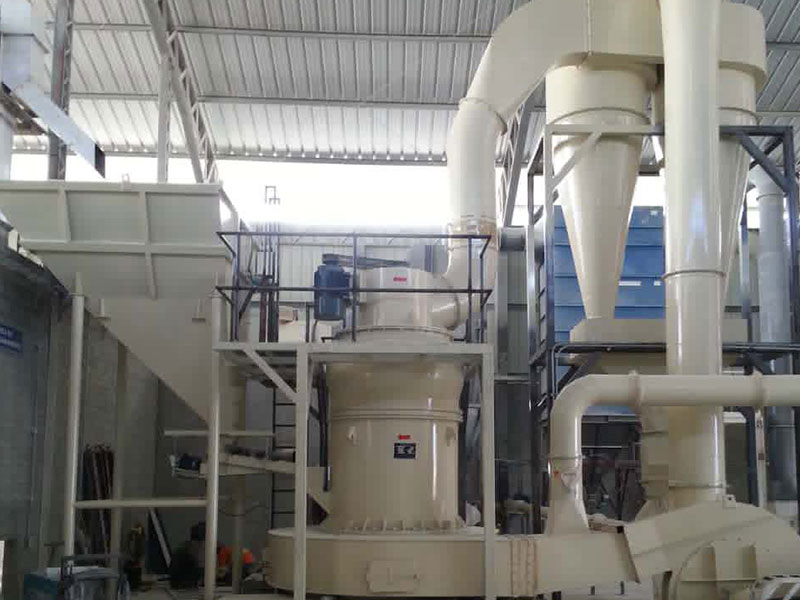
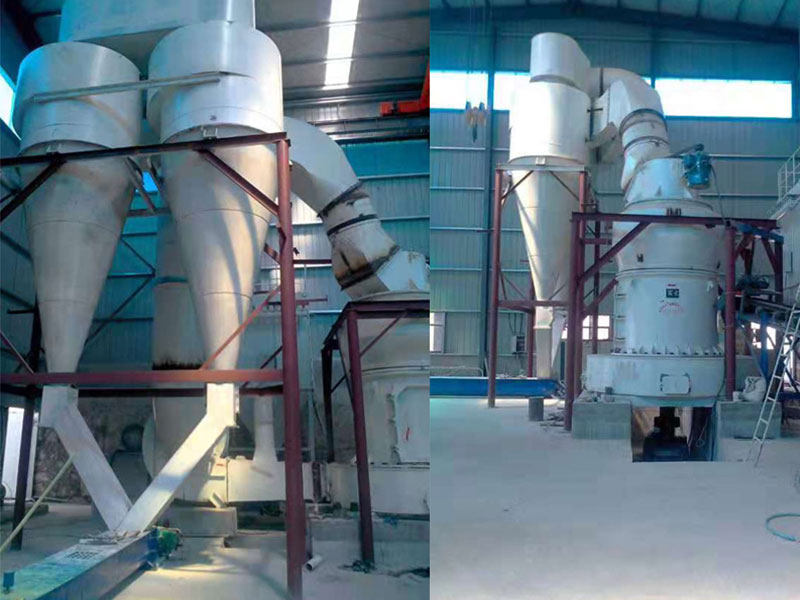
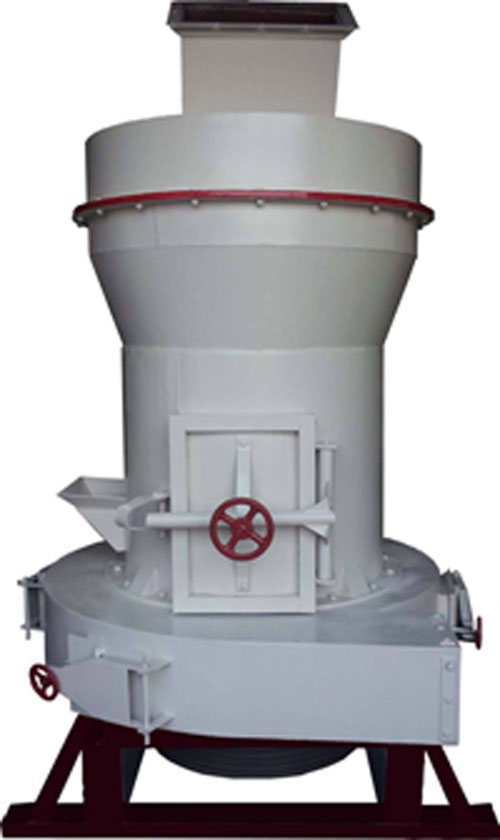
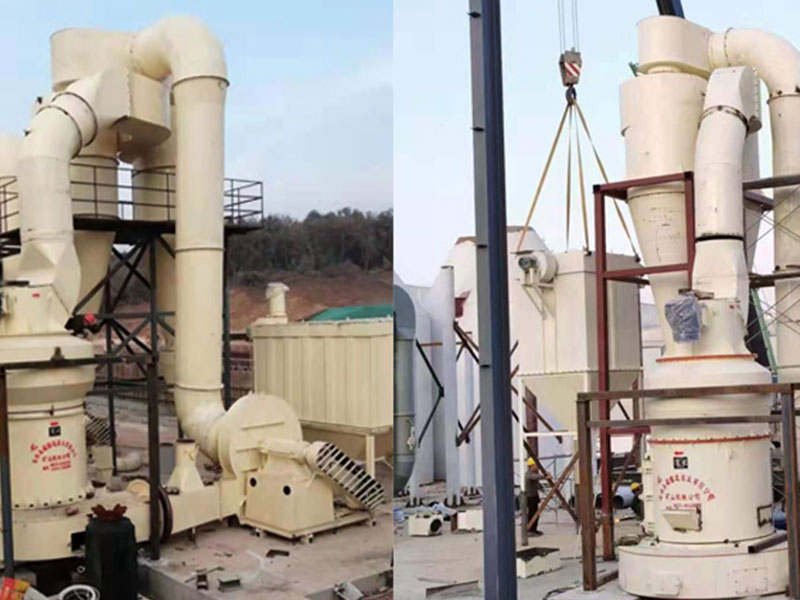
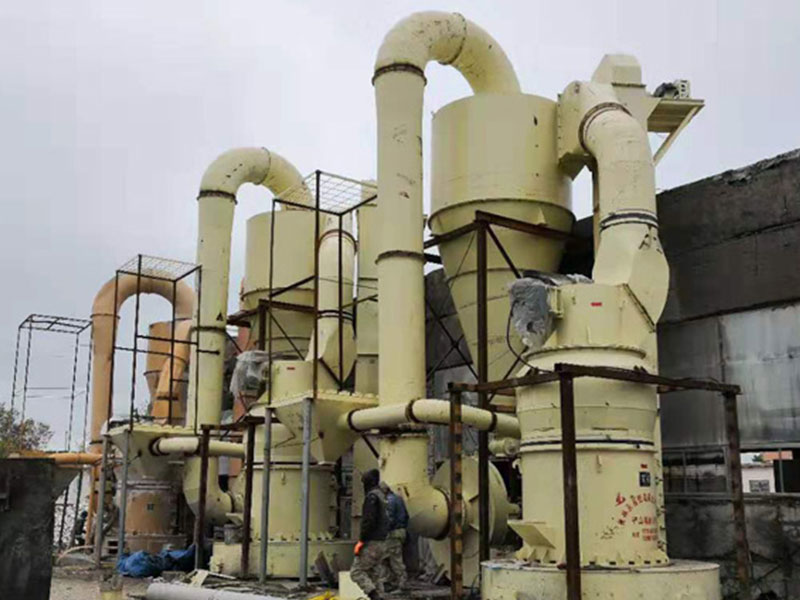
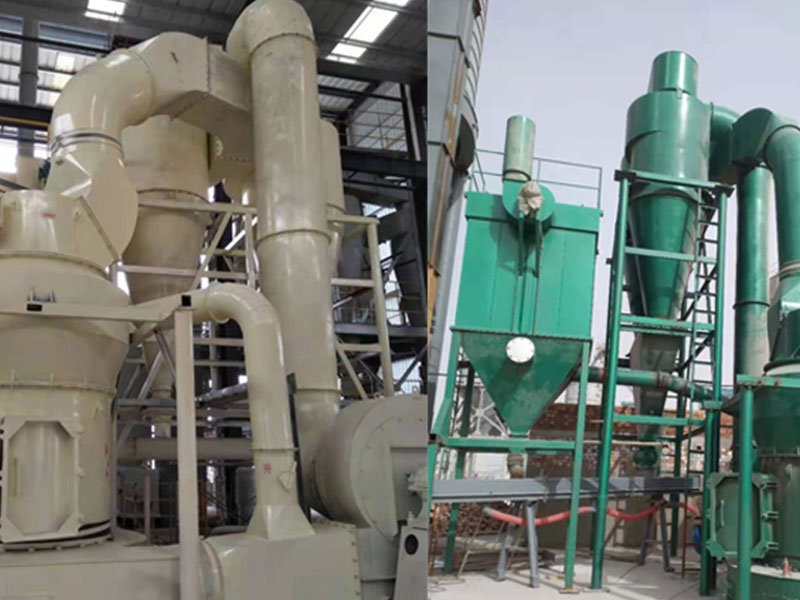
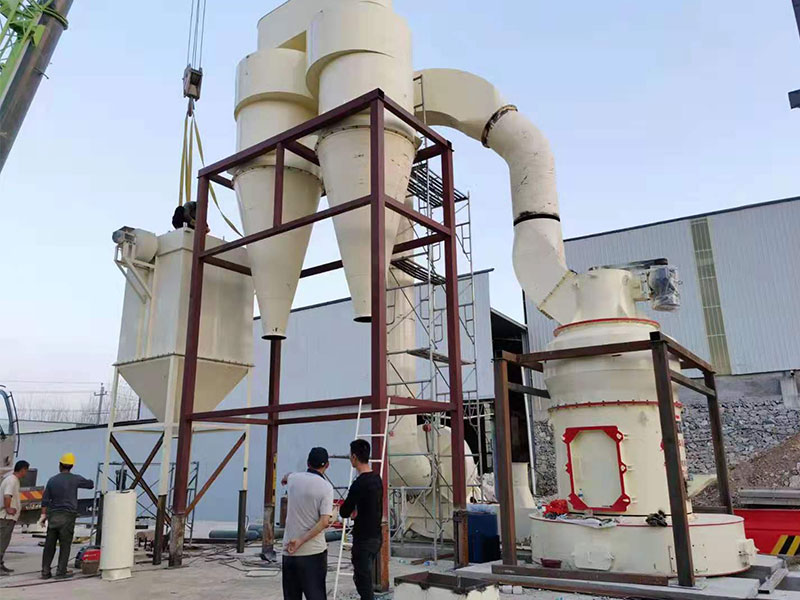
Raymond mill, also known as a suspended roller disc mill, is a kind of grinding machine introduced from abroad. Its full English name is Raymond mill.
1. Who Invented the Raymond Mill?
In 1906, C.V. Grueber founded the Curt Von Grueber Machinery Manufacturing Plant in the southern suburb of Berlin. Using a patent he had obtained in the United States, he produced the first Maxecon mill, which was used as coal grinding equipment at the MOABIT power station of BEWAG in the Berlin area. Its grinding capacity reached 5 t/h, and within a few years, nearly 600 units were sold and applied in grinding fields across different industries. After E.C. Loesche acquired shares in and took charge of the Curt Von Grueber Machinery Manufacturing Plant, he decided to purchase the publicly available American patent for the Raymond centrifugal ring-roller mill, and thus produced the first-generation Raymond mill system. However, because the grinding force (centrifugal force) of the Raymond coal mill rollers at that time was limited by the roller diameter and rotational speed, the mill was only suitable for soft coal materials with low ash content and good grindability. German coal was harder and had higher ash content, requiring greater grinding force, so this type of Raymond coal mill could not meet the grinding requirements well. As a result, Raymond coal mills were not widely adopted in Germany. On the other hand, they were well suited to the characteristics of American coal, and therefore were widely promoted and used in the United States.2. Who Improved the Raymond Mill?
In 1925, E.C. Loesche, after summarizing the operating characteristics and structural drawbacks of the first-generation Raymond coal mill, decided to further improve the grinding structure of the Raymond mill and developed a mill with an opposite grinding principle, known as the improved Raymond mill. This improved Raymond mill system used either positive-pressure direct blowing or negative-pressure direct blowing ventilation methods. The patent for this type of Raymond mill was soon purchased by Combustion Engineering in the United States. However, because the improved Raymond mill still had the inherent problems of ring-roller mills, the grinding force did not increase significantly even though the roller diameter was slightly enlarged. Later, the Raymond Division of Combustion Engineering developed a new generation of Raymond mill, known as the VR mill. In many respects, this Raymond mill had structural similarities to today’s Loesche mill. It is worth noting that unlike the Loesche mill, which uses conical grinding rollers and a flat grinding table, the VR mill used cylindrical grinding rollers and a grinding table with a 15-degree inclined grinding surface. The grinding rollers were equipped with a roller swing-out device similar to that of the Loesche mill for inspection and maintenance, and also had a protective device to prevent metal-to-metal contact between the rollers and the grinding table. In addition, the grinding rollers could be lifted before startup, thereby reducing the motor starting torque. In industrial applications in the United States, Raymond mills were commonly used to prepare pulverized coal, with product fineness ranging from 250 to 325 mesh, and both product fineness and output could be adjusted during operation. Since May 31, 1995, when Raymond mill was first filed as a patent under its product name, it has gone through nearly fifteen years of history. With years of development and improvement, the types and models of Raymond mills have become increasingly diverse. Because of their stable performance, strong adaptability, and high cost performance, Raymond mills have received wide praise from users since being introduced into China and have occupied an important position among grinding equipment.3. Working Principle of Raymond Mill
The working principle of the Raymond mill is as follows: the material to be ground is fed into the machine through the feed hopper on the side of the casing. The grinding roller assembly, suspended on the plum-blossom frame of the main machine, revolves around a vertical axis while also rotating on its own axis. Due to the centrifugal force generated during rotation, the grinding rollers swing outward and press tightly against the grinding ring. The shovel blade scoops up the material and feeds it between the grinding rollers and the grinding ring, where the rolling and crushing action of the rollers achieves the purpose of grinding the material.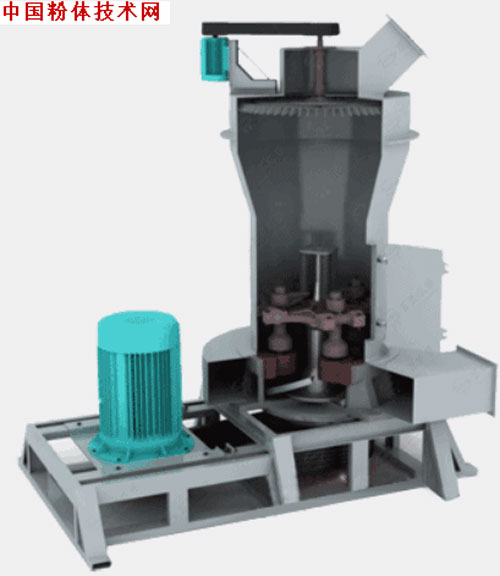 At present, there are many manufacturers of Raymond mills in China, such as Guilin Hengda Mining Machinery Co., Ltd. There are also many models available, such as suspended roller Raymond mills, vertical Raymond mills, and R-type Raymond mills. Raymond mills have outstanding advantages, strong applicability, and have consistently maintained a high market share.
4. Application Range of Raymond Mill
Raymond mills are widely used for high-fineness grinding of more than 300 kinds of non-flammable and non-explosive materials with Mohs hardness below 9.3 and humidity below 6% in industries such as mining, construction, chemical engineering, and fertilizers. Applicable materials include quartz, talc, marble, limestone, dolomite, lime, activated clay, activated carbon, bentonite, kaolin, cement, phosphate rock, gypsum, graphite, glass, manganese ore, titanium ore, copper ore, chromium ore, refractory materials, thermal insulation materials, pottery clay, titanium dioxide, iron oxide, and many others. The finished product particle size generally ranges from 60 to 325 mesh (0.125 mm to 0.044 mm), and for a small number of materials, the maximum fineness can reach 1000 mesh (0.013 mm) according to specific needs.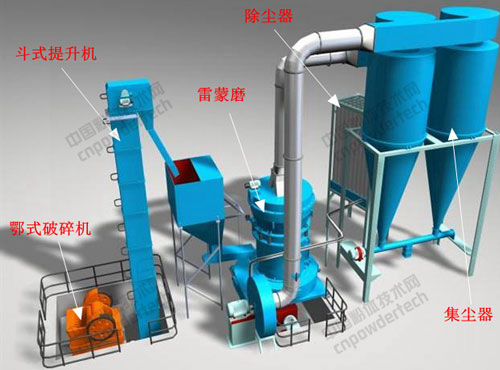
5. Functional Features of Raymond Mill
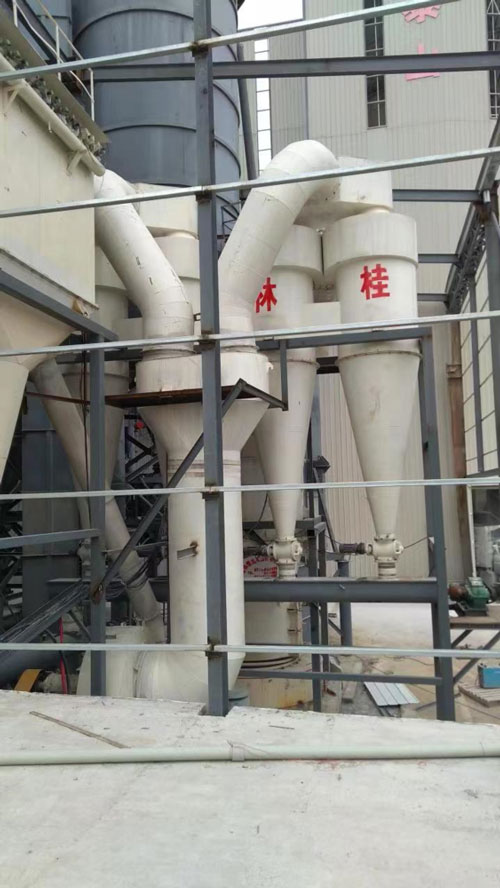
Although different models of Raymond mills each have their own advantages and performance characteristics, Raymond mills generally have the following features:- (1) The entire Raymond mill adopts a vertical structure, occupying relatively little floor space. It has strong system integration and can form an independent production system from raw material coarse processing to conveying, grinding, and final packaging.
- (2) Compared with other grinding equipment, Raymond mills have a high passing rate through the screen. The finished product after grinding can achieve a screening rate of over 99%, which other grinding equipment cannot usually achieve.
- (3) It uses an electromagnetic vibrating feeder for uniform feeding, which is easy to adjust, small in size, light in weight, fuel-saving, power-saving, and convenient to maintain.
- (4) The main transmission device adopts a sealed reducer, ensuring smooth transmission, reliable operation, and no oil leakage.
- (5) The shovel blade frame of the main machine remains in contact with the material during operation, so it is composed of upper and lower parts. After the lower seat is worn, it can be replaced by removing the connecting bolts.
- (6) The important components of the Raymond mill are made of high-quality castings and profiles, with fine craftsmanship and rigorous processes, ensuring the durability of the entire set of equipment.
6. Existing Problems of Raymond Mill
With the rapid development of non-metallic minerals in the field of ultrafine powder applications in recent years, downstream enterprises have raised increasingly higher requirements for non-metallic mineral products, especially in terms of product fineness. Some problems of traditional Raymond mills have long troubled mineral processing enterprises and equipment manufacturers. These problems are mainly reflected in the following aspects:- (1) Low product fineness. The fineness of ordinary Raymond mills is generally below 500 mesh, so these machines can only serve the lower-end powder application market and do not fit the future trend of China’s powder industry toward finer processing.
- (2) High mechanical failure rate, high power consumption, high noise, and heavy emission pollution.
- (3) There are flaws in the design of the air duct in the main machine air box. Larger particles entering the grinding area and particles that are not ground in time are often thrown into the air box and accumulate at the tail of the volute casing, continuously extending forward. This gradually reduces the air volume, easily causing blockage, no powder output, or reduced powder output, thereby affecting production capacity.
7. Development Trends of Raymond Mill
For a long time, the grinding mill industries in developed countries in North America and Europe have developed very rapidly, far ahead in the overall market, with growth rates exceeding the average growth rate of the grinding industry. Their grinding mill industries are also relatively mature. Grinding equipment manufactured in developed countries has become increasingly sophisticated and continues to develop toward a higher level of automation and control. From the perspective of the domestic grinding industry, China’s grinding equipment industry has developed very rapidly in recent years. At present, China has become quite mature in grinding mill manufacturing, and the industry is showing a booming trend. Moreover, the development of the grinding equipment industry will inevitably promote all aspects of China’s grinding事业 in the future. Specifically, domestic grinding equipment in China has not only achieved a structure that is simple, easy to operate, and easy to maintain, but also pays more attention to the diversification of equipment performance. The cost performance of grinding equipment has also been greatly improved. In addition to continuously improving grinding mill models, China has also vigorously enhanced the control level of grinding mills. At the beginning of the 21st century, China’s grinding mills were still relatively backward in many aspects. However, in just a few years, China’s grinding equipment market has approached and even begun to show a trend of catching up with grinding equipment manufactured in developed countries. During the development of China’s mineral processing equipment manufacturing industry, two transformations took place: first, product development shifted from imitation to independent innovation; second, economic operation shifted from extensive growth to benefit-oriented growth. It is expected that the future development trend of the grinding equipment industry will be toward larger scale, digital intelligence, and green energy saving. With the continuous development of the powder industry, market requirements for the application of Raymond mills are also constantly increasing. As the main grinding equipment in China’s powder industry, Raymond mills are bound to develop toward high reliability, energy saving, precision, and automation in order to meet the needs of different application fields. #### (1) More Energy-Saving and Environmentally Friendly In recent years, all industries have paid increasing attention to green environmental protection. With the proposal of the “Green 12th Five-Year Plan,” energy saving and environmental protection have clearly become a development trend for all industries, especially the Raymond mill industry. As green environmental protection requirements become increasingly strict, the state encourages the development and processing of mining resources while also imposing high standards on mining machinery. The R&D and manufacturing of Raymond mills should pay more attention to research on high efficiency and energy saving, and improve key aspects such as zero pollution, high efficiency, low energy consumption, and mechanical service life. In the current Raymond mill market, energy-saving and environmentally friendly equipment with large processing capacity, high separation efficiency, and low energy consumption will be more favored, and market demand for such equipment is becoming increasingly urgent. #### (2) More Complete Automatic Control Systems In the powder industry, Raymond mills will mainly develop toward high reliability, precision, automatic working-condition monitoring, and automatic control. Measures such as thyristor power supply, AC variable-frequency speed regulation, centralized grease lubrication, and vibration reduction can be adopted, along with working-condition monitoring and microcomputer automatic control devices. Among these, high reliability requires strengthening the wear resistance of components such as the grinding ring and upper pressure cover through rational study of mechanical principles, while also improving lubrication of bearings during continuous operation. Experts believe that automatic working-condition monitoring and automation control require the addition of a highly intelligent electronic control system inside the Raymond mill to automatically control the feeding, discharging, grinding, and quantitative measuring of materials. Automatic control can effectively improve the working efficiency, accuracy, and safety of Raymond mills. Operators then only need to perform button control in the control room. #### (3) Greater Improvement in Grinding Precision As application fields continue to demand finer powder products, the grinding equipment industry will inevitably develop toward greater fineness and larger scale, and Raymond mills are no exception. For a long time, there have been few breakthrough improvements in Raymond mill products. Although the classification system has undergone significant improvement, most of these improvements have remained at the level of modifications to single machines, and not many have become formal products from equipment manufacturers. In many parameters, such as grinding roller and grinding ring dimensions, main machine power, and spindle speed, there have been few major breakthroughs, even though traditional Raymond mills still have considerable untapped potential. Improving grinding precision requires enhancing the accuracy of the classifier. This issue has always been a technical difficulty in Raymond mill improvement and is also one of the main bottlenecks in Raymond mill development. Therefore, in the future, grinding precision will be a key research focus for related enterprises and R&D personnel, and it will also be a key factor determining the future development of Raymond mills in the grinding equipment industry.This article was published on May 22, 2026, and last updated on May 22, 2026. The article will be continuously updated.