
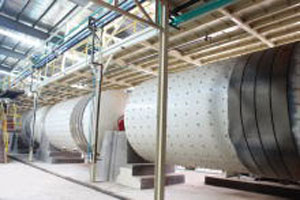
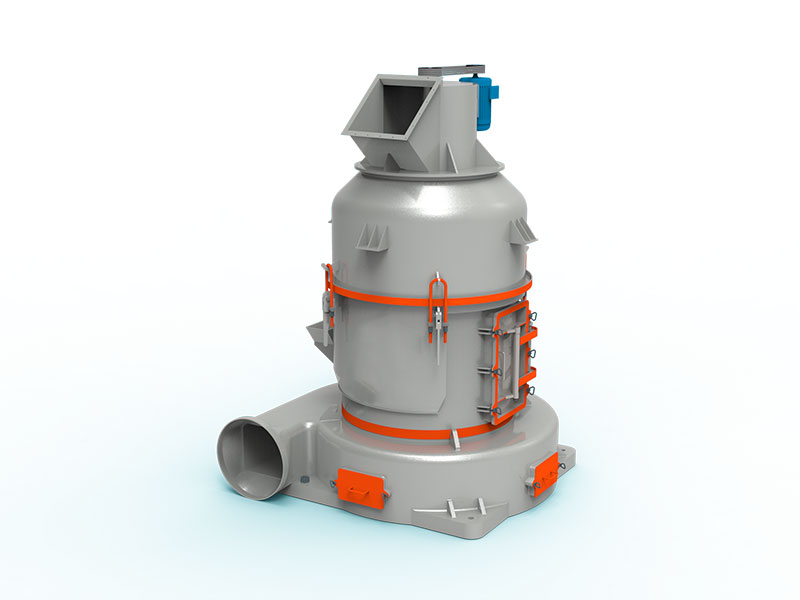
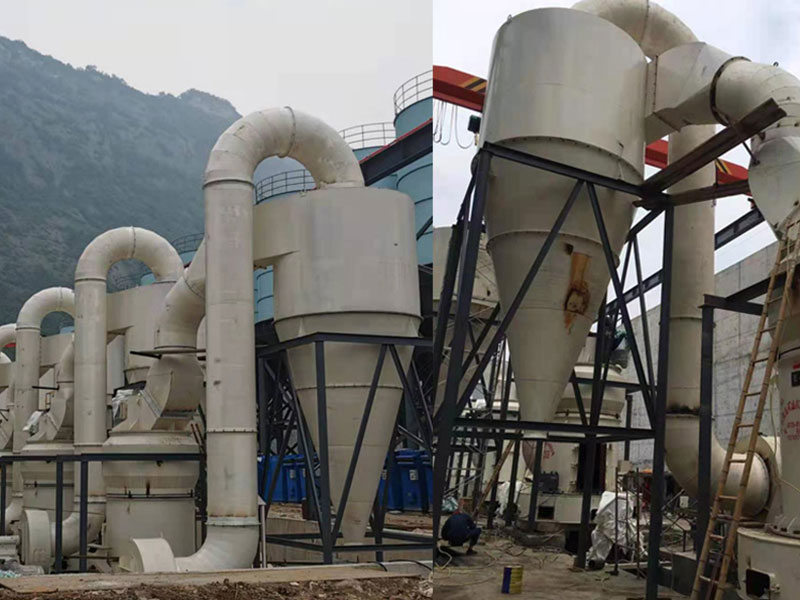
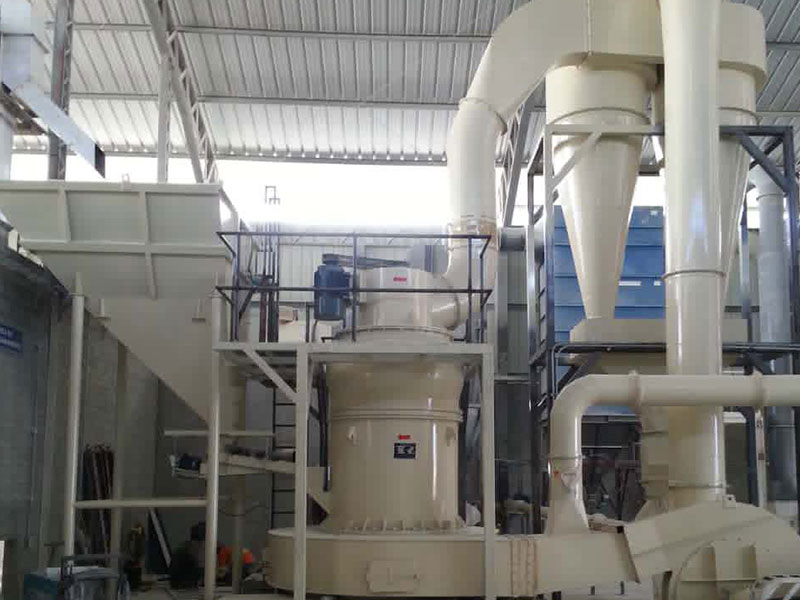
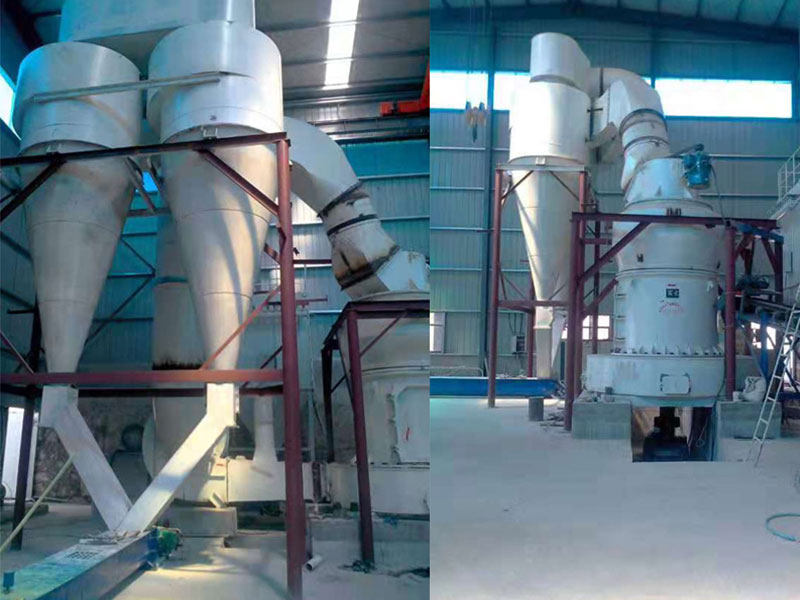
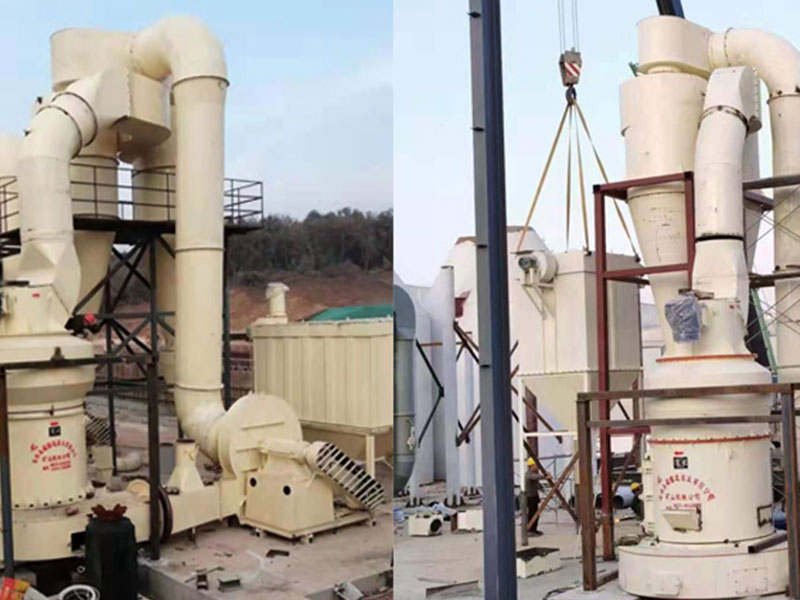
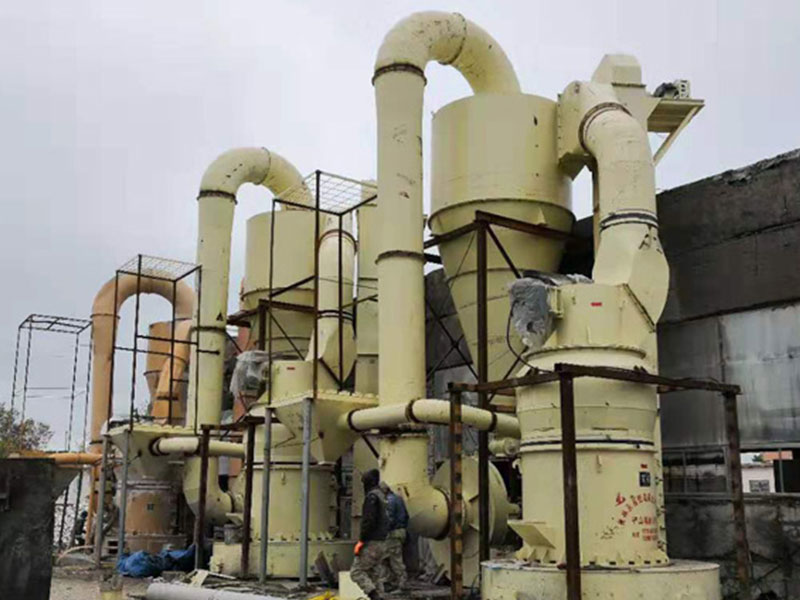
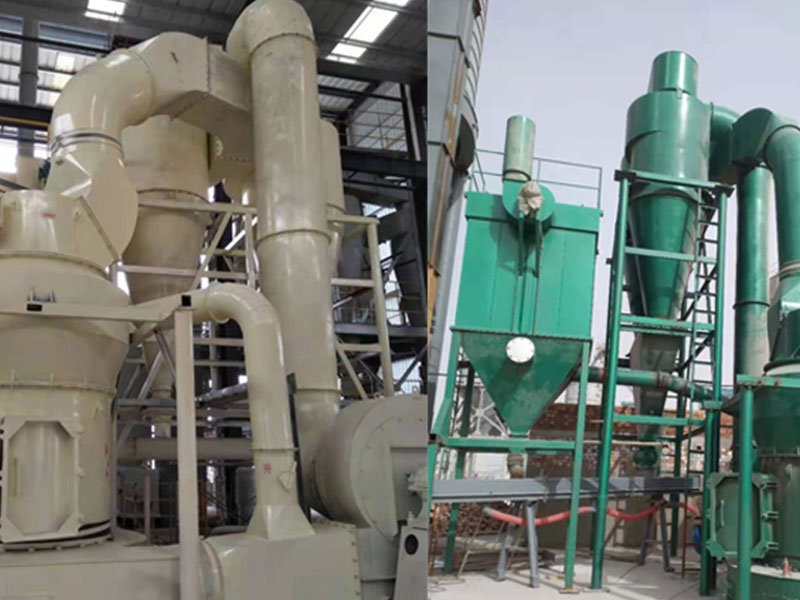
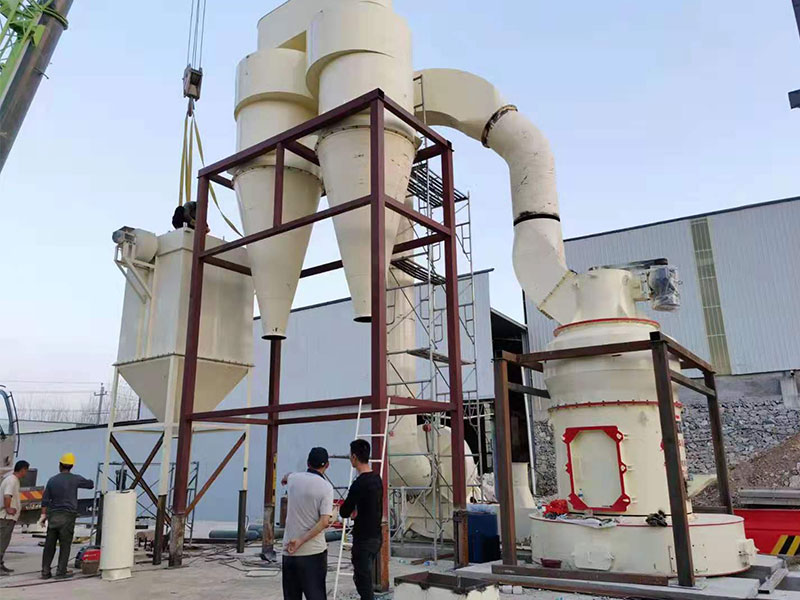
A ball mill is the key equipment for further crushing and grinding materials after they have been initially crushed. It is widely used in the production industries of cement, silicate products, new building materials, refractory materials, fertilizers, ferrous and non-ferrous metal beneficiation, as well as glass and ceramics, for dry or wet grinding of various ores and other grindable materials. Effectively controlling the grinding fineness of a ball mill is an important factor in directly reducing costs and improving economic benefits. Understanding the factors that affect ball mill grinding fineness is a necessary prerequisite for controlling grinding fineness. So, what are the factors that affect the grinding fineness of a ball mill?
Working Principle of the Ball Mill
Ore Hardness
In production, proper ore blending should be carried out to make the ore size as uniform as possible, and to keep the proportion of lump ore and powdered ore reasonable and stable. In addition, at the ball mill belt feeding point, the belt may leak ore due to long-term wear, and most of the leaked material is fine ore. This portion of leaked ore must be added back into the ball mill as promptly as possible. If it is piled up for a long time and then added in a concentrated manner, it will cause uneven ball mill feed and lead to unstable production.Ball Mill Water Feed Rate
If the water feed to the ball mill increases, the grinding concentration becomes thinner, and the grinding fineness becomes coarser. On the contrary, if the water feed to the ball mill decreases, the grinding concentration becomes higher, and the grinding fineness becomes finer.Water Flushing Volume at the Ball Mill Discharge Opening
If the flushing water at the ball mill discharge opening increases, the overflow becomes thinner, and the overflow fineness becomes finer. On the contrary, if the flushing water at the ball mill discharge opening decreases, the overflow becomes thicker, and the overflow fineness becomes coarser. Therefore, under the condition that other factors, including ore feed quantity, remain unchanged, if it is necessary to improve grinding fineness, the water feed to the ball mill can be reduced while the flushing water at the discharge opening can be increased. It is best to adjust these two conditions at the same time to minimize changes in slurry volume caused by adjustments in grinding fineness, thereby reducing fluctuations in flotation.Blade Wear
After the blades are worn, it is equivalent to a reduction in the amount of returned sand, resulting in coarser grinding fineness. In addition, if the blades are seriously worn, the service life of the classifier will be affected. Therefore, the wear condition of the blades should be checked in time during operation, and worn blades should be replaced promptly.Classifier Opening
In some beneficiation plants, the size and height of the classifier opening are not properly adjusted during equipment installation, and operators may not pay enough attention during operation, which will also invisibly affect the grinding operation. If the lower opening of the classifier is low, the sand settling area is large, so the amount of returned sand increases, and the grinding fineness is relatively finer. If the lower opening of the classifier is large, the sand settling area is large, and the water flow is relatively gentle, so the amount of returned sand increases, and the grinding fineness is relatively finer. Similarly, when the upper opening of the classifier is low or large, the amount of returned sand increases, and the grinding fineness becomes relatively finer. Otherwise, the opposite occurs, and the grinding fineness becomes coarser.Height of the Classifier Overflow Weir
The height of the classifier overflow weir affects the size of the sand settling area. In production, the height of the classifier overflow weir can be properly adjusted according to the required grinding fineness. If finer grinding fineness is required, angle irons of a certain height can be welded along both sides of the classifier, and wooden boards can be inserted to adjust the height of the classifier overflow weir. Sometimes, the long-term accumulation of slime can naturally raise the height of the overflow weir.Crushing Particle Size
During production, the ball mill operator must supervise the crushing system. If the feed particle size of the ball mill changes during production, it must be reported to the crushing workshop immediately. The ultimate requirement is that the finer the crushing particle size, the better, because “more crushing and less grinding” helps save production costs. In ball mill grinding production, only by effectively controlling the grinding fineness can production efficiency be ensured and economic benefits improved. If you have any suggestions or questions, please feel free to leave a message for the editor.This article was published on May 22, 2026, and last updated on May 22, 2026. The article will be continuously updated.