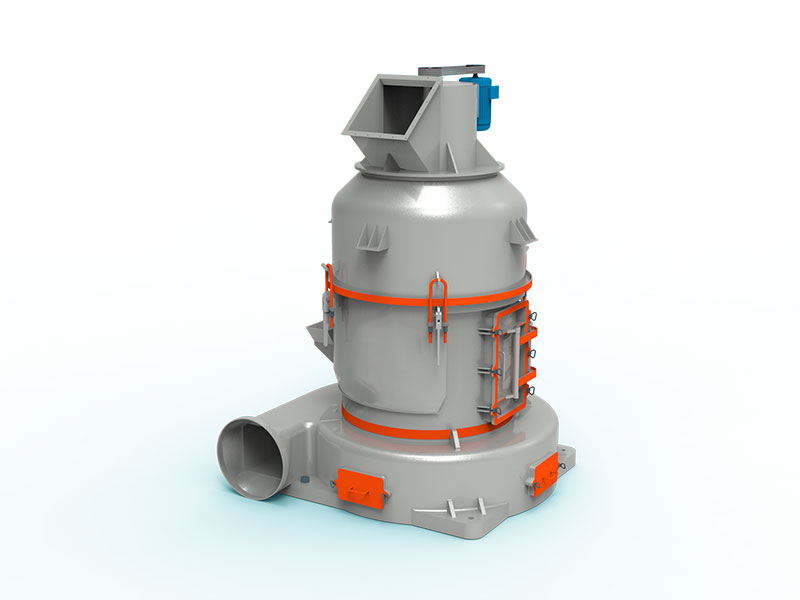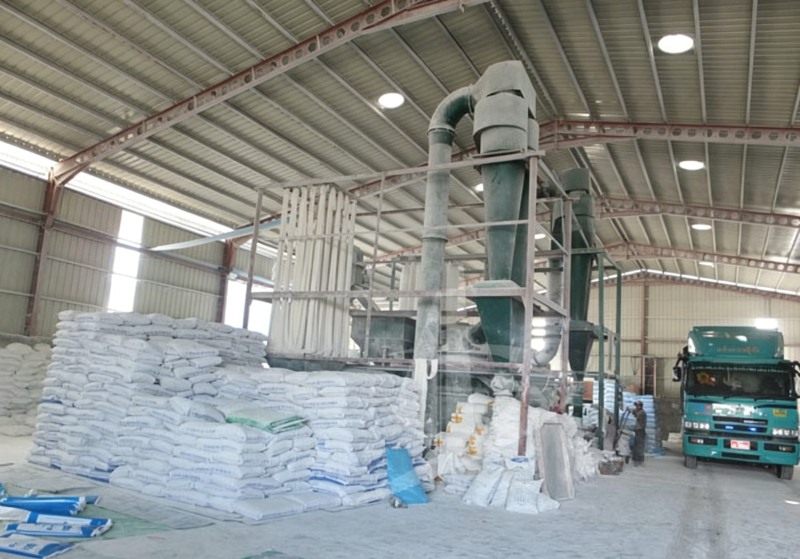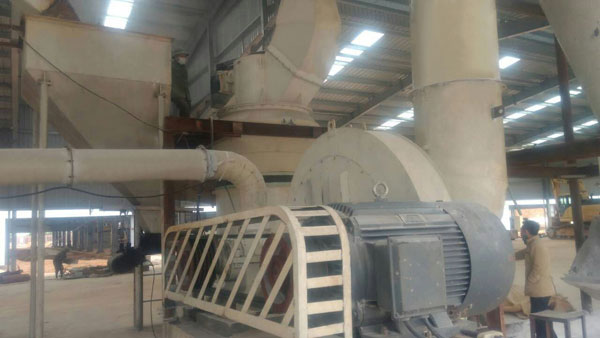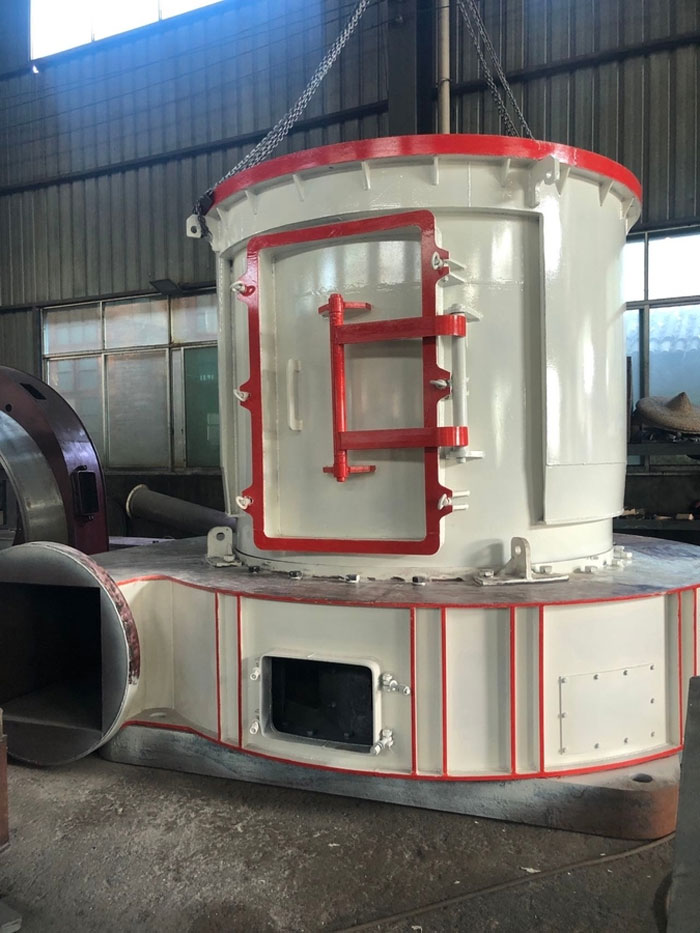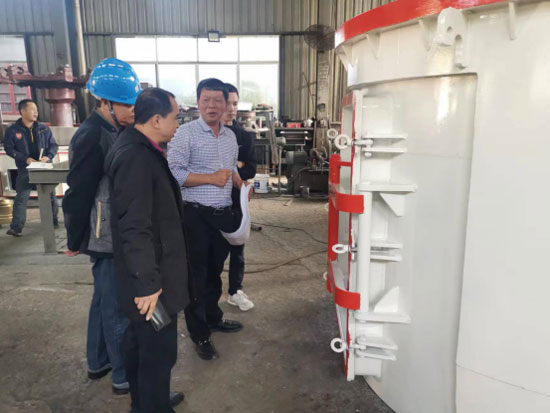

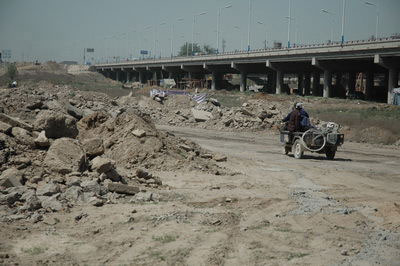
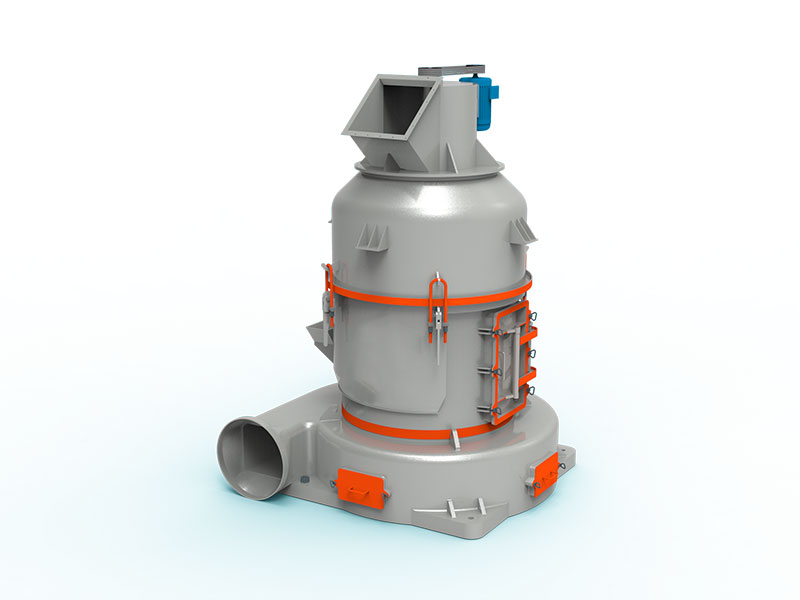
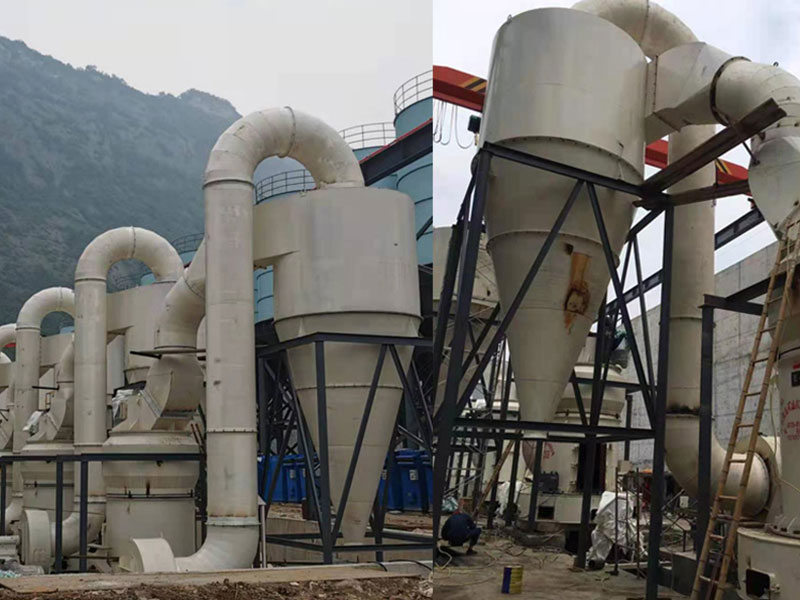
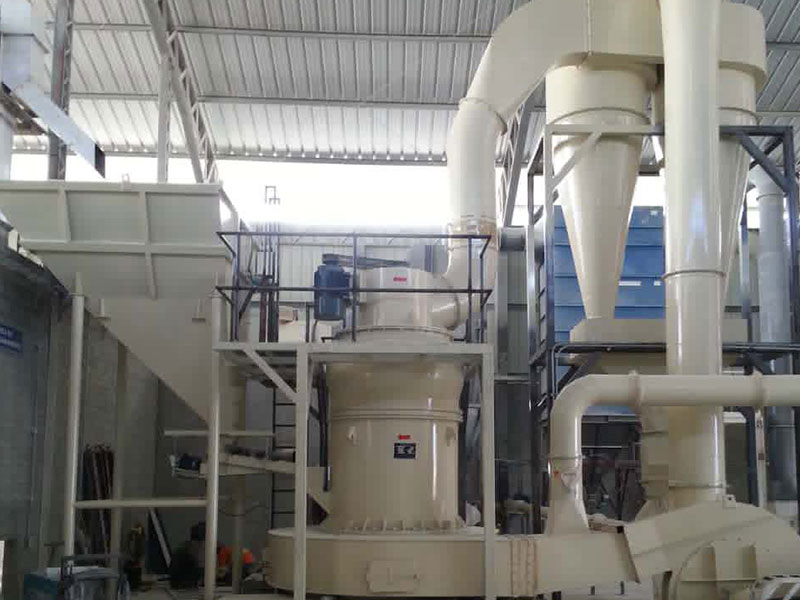
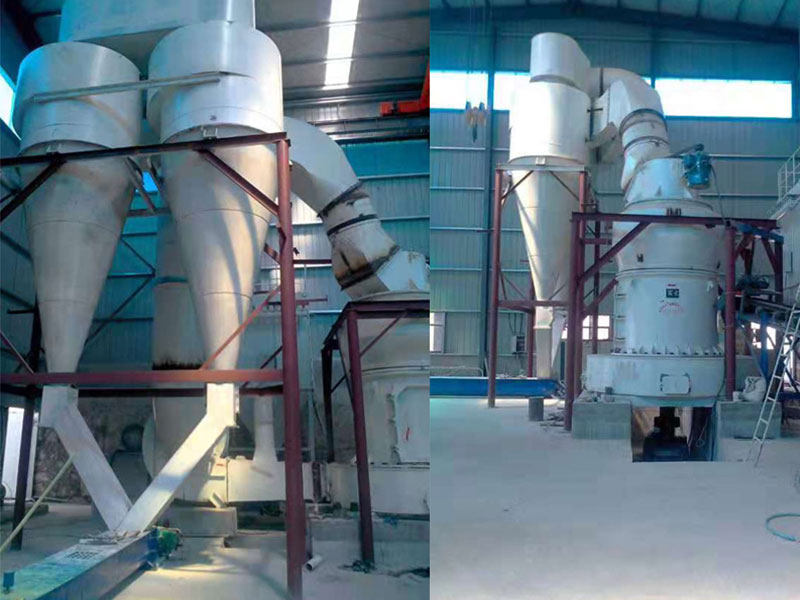
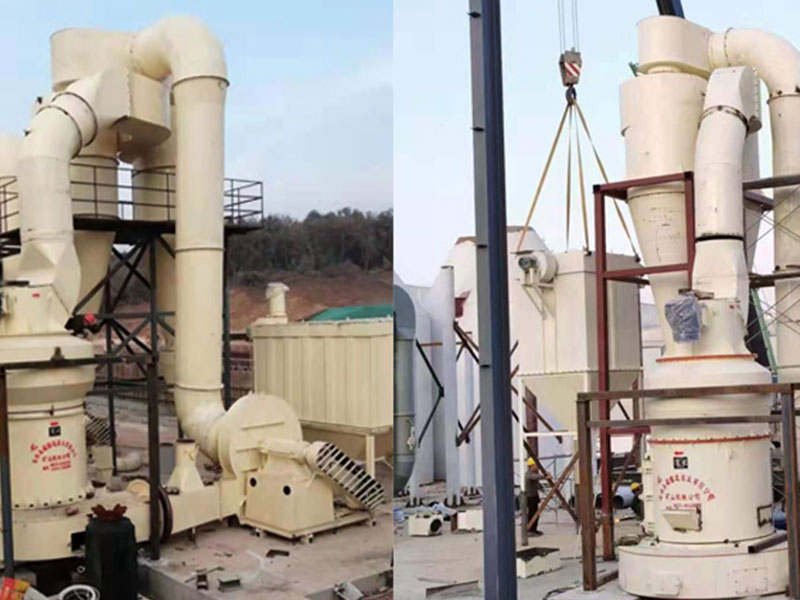
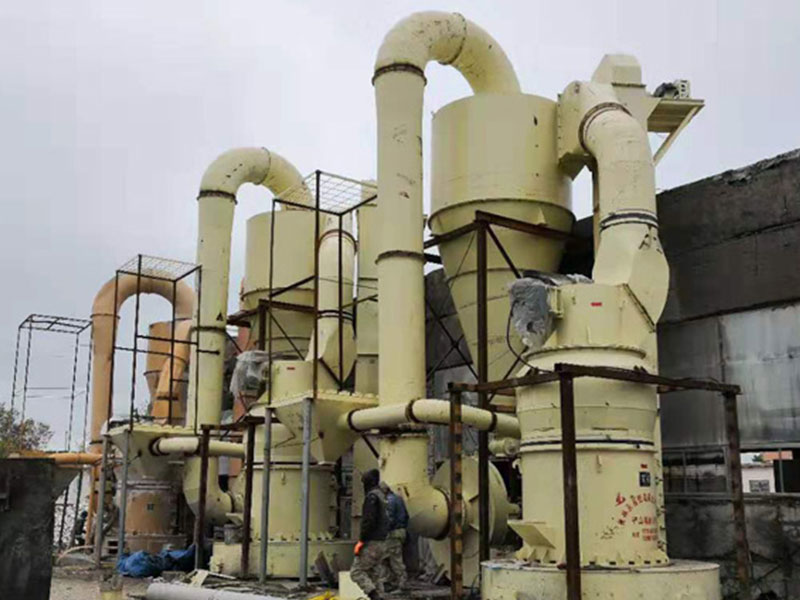
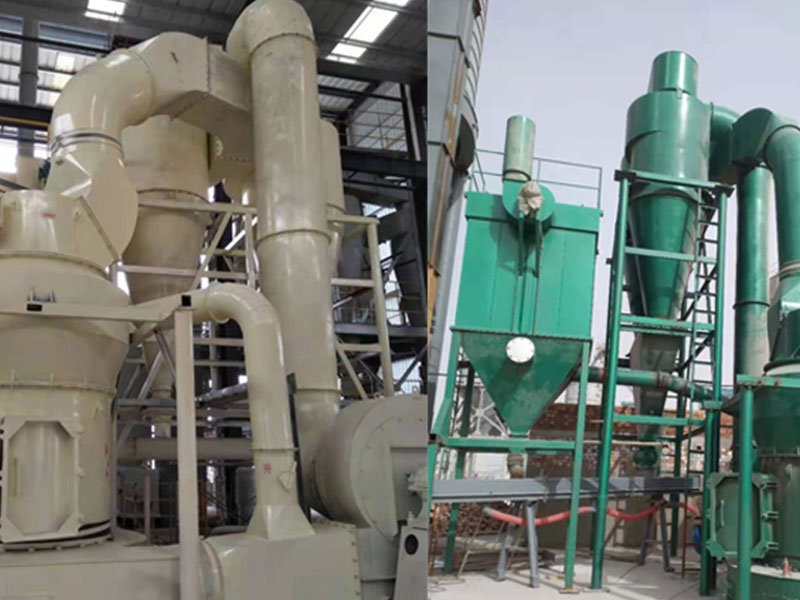
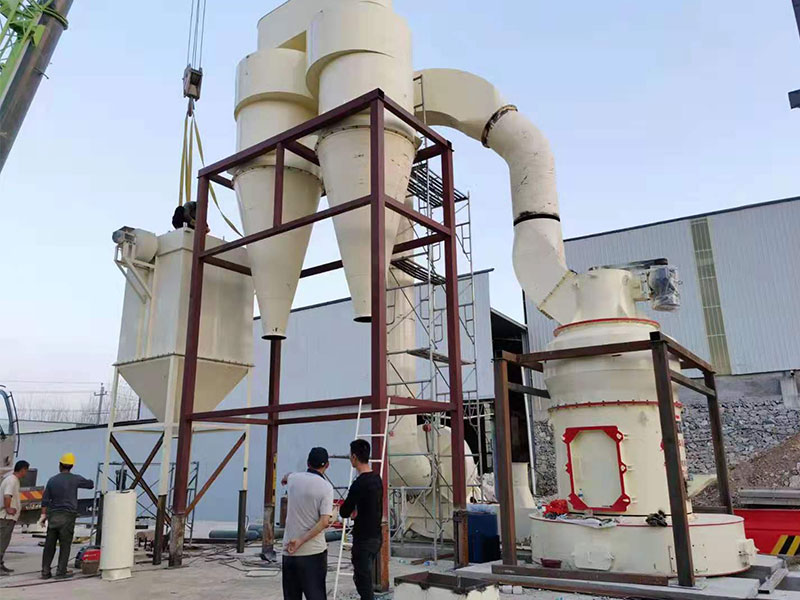
In recent years, energy conservation and environmental protection have remained among the most important tasks in today’s society. As abandoned waste, construction waste has caused stacking and transportation problems, as well as environmental pollution issues such as spillage during removal and stacking, dust, and flying ash and sand, and has therefore been regarded as a burden on urban development. If construction waste is to find a path to regeneration, the only way is to address the disorderly piling and dumping of construction waste at the source and carry out resource-based treatment of construction waste. In fact, after professional treatment, construction waste can not only be reused as construction aggregate, but can also be used to process recycled brick products, which are green recycled building materials strongly advocated by government departments. This not only enables waste reuse, but also reduces resource waste, making it an effective implementation method for energy conservation and environmental protection. Crushers and grinding mills are effective equipment for the processing and treatment of construction waste. In the early days, people usually treated construction waste with the concept of coarse crushing by using stone crushing equipment such as jaw crushers and cone crushers. Recycled aggregate was processed and reapplied to construction projects based on this concept. Nowadays, simple fine crushing can no longer meet the needs of the comprehensive reuse of construction waste. The addition of grinding mills can be said to have further expanded the application fields of construction waste. As stone powder processing equipment, grinding mills mainly adopt the concept of fine grinding to process construction waste into fine powder or even to a fineness of 80–800 mesh or finer, allowing construction waste to be reborn as green recycled building material products such as solid bricks, hollow bricks, colored Dutch bricks, permeable bricks, square bricks, and grass-planting bricks. The application of grinding mills has enabled a more thorough processing method for construction waste treatment. It has also allowed many investors to see major business opportunities. In today’s market, where there is a wide variety of grinding mills, selecting high-quality construction waste treatment equipment is the primary issue. As a commonly used stone powder processing device, the high-pressure grinding mill can process various ore materials with hardness below grade 9.3, and its fineness can reach 425–600 mesh, making it a very suitable choice for construction waste requiring ordinary fineness processing. If strict requirements are imposed on the fineness of the finished product, reaching 800 mesh or finer, an ultra-fine grinding mill can be selected. This equipment can process construction waste to a fineness of 325–2500 mesh, making it an effective choice for ultra-fine grinding and processing.
This article was published on May 22, 2026, and last updated on May 22, 2026. The article will be continuously updated.