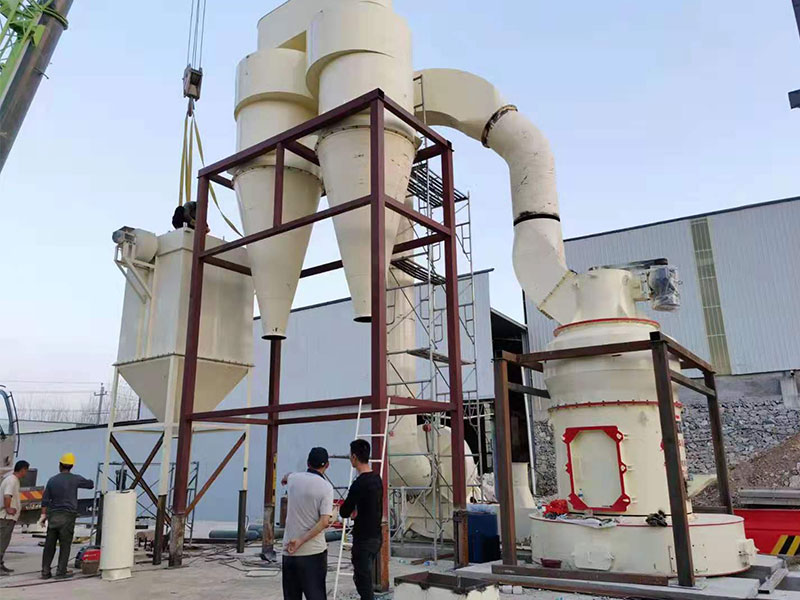
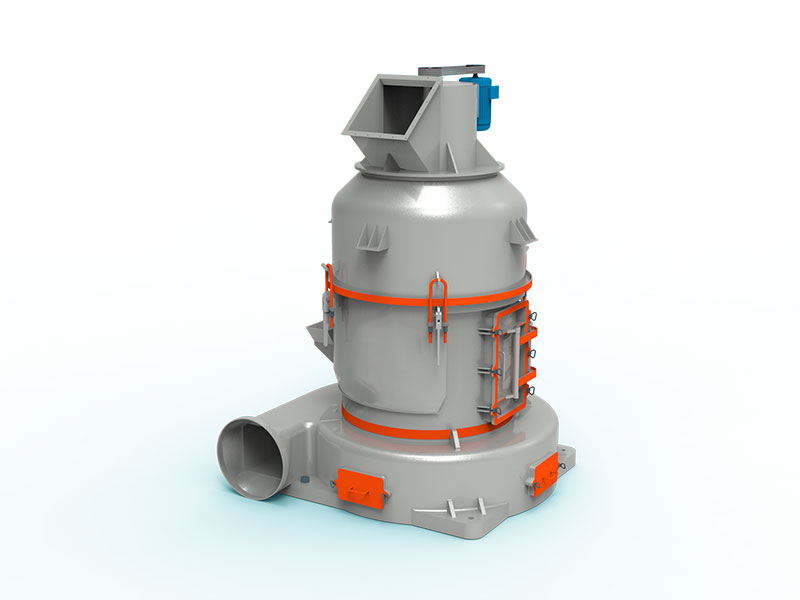
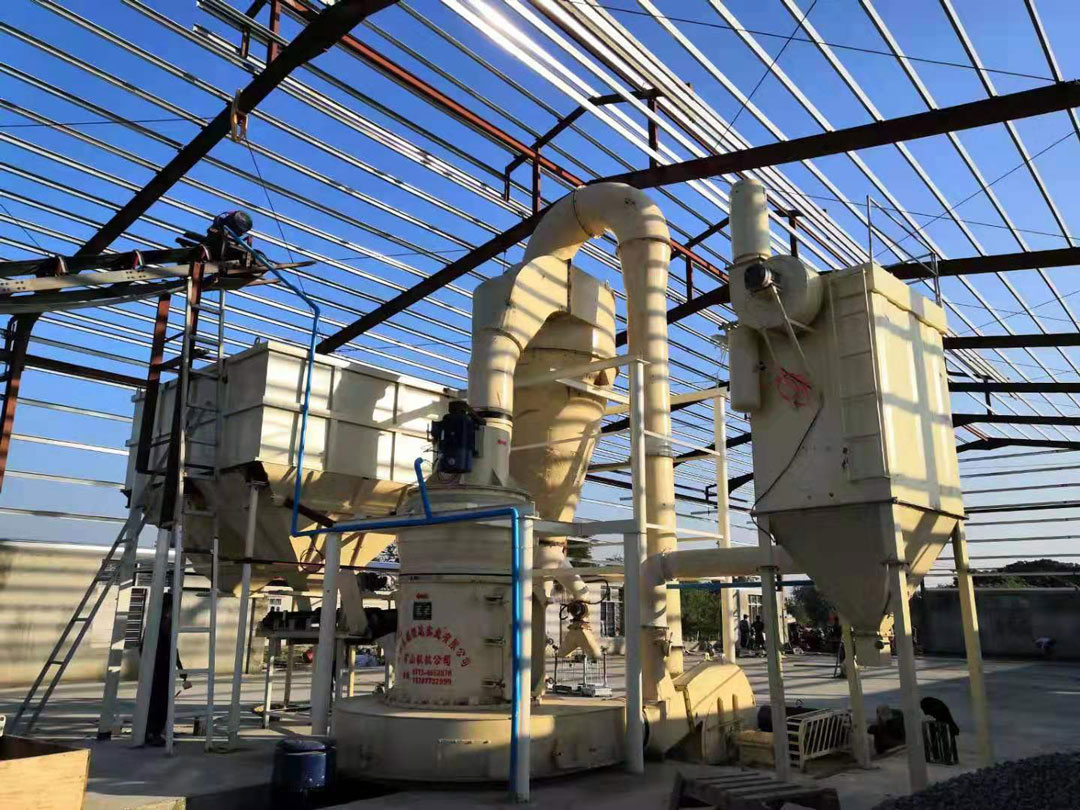
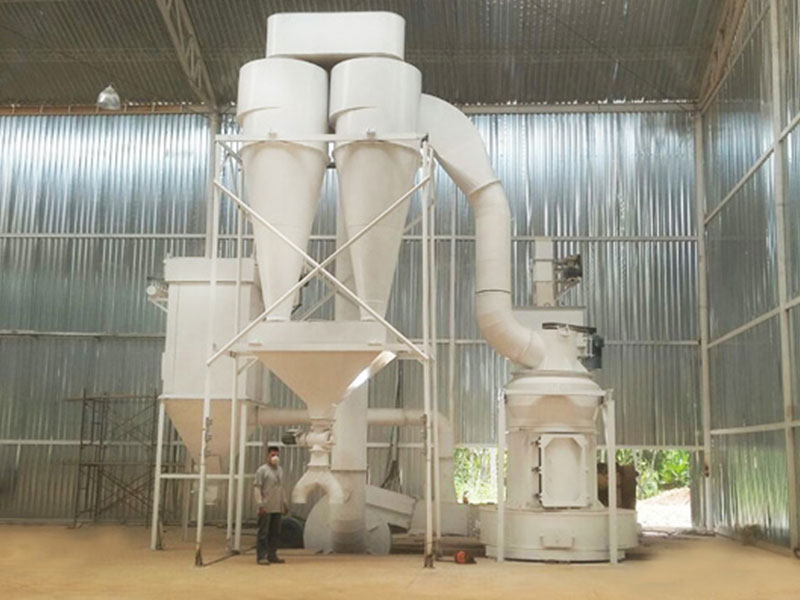
Crushing is the processing operation in which large pieces of material, under the action of external force, overcome their internal cohesion and break into smaller particles. So, how should we choose an appropriate crushing method?
Definition of Crushing
Crushing is the process in which large pieces of material are broken into smaller particles by overcoming their internal cohesion under external force. Crushing can be divided into
coarse crushing and
grinding.
- Crushing refers to breaking large materials into smaller lumps
-
100 mm for coarse crushing
-
30 mm for medium crushing
-
3 mm for fine crushing
- Grinding refers to breaking small lumps into fine powder
-
0.1 mm for coarse grinding
-
60 μm for fine grinding
-
5 μm for ultrafine grinding
Functions and Purposes
After crushing, the particle size is significantly reduced and the specific surface area is greatly increased. This is beneficial for:
- the uniform mixing of several materials,
- easier transportation and storage,
- improving the degree and speed of high-temperature solid-phase reactions.
What Are the Crushing Methods?
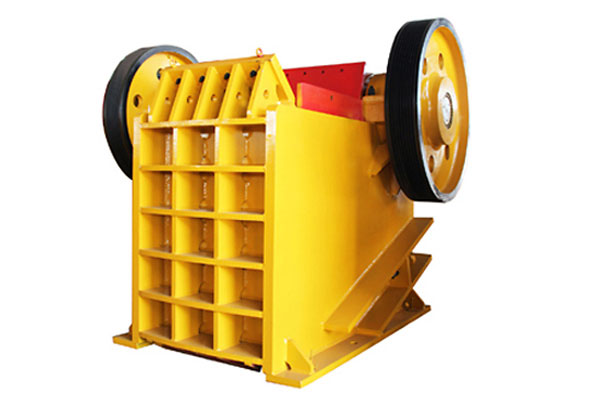
The material is placed between two working components and gradually compressed, undergoing elastic deformation, plastic deformation, and finally fracture. This crushing method is only suitable for brittle materials. A typical example is the
jaw crusher. In food processing, a commonly used compression method is the
roller crusher. If the linear speeds of the rollers are equal, it is a purely compressive process. If the processed material has toughness and plasticity, sheet-like products may be formed, such as rolled oats, rice flakes, and oilseed flakes.
This is a crushing method with relatively low energy consumption and can be used for tough materials. The newly formed surfaces are relatively regular, and particle size is easy to control. Generally, cutting fruits, vegetables, and meat into chunks, slices, shreds, or cubes belongs to this category. In the break system of wheat flour milling, the
roller mill also relies significantly on shear action.
This means the material is crushed by bending force. The material bears bending stress between working components and breaks when the stress exceeds its strength limit. This method is generally used for processing relatively large, long, thin, and brittle materials, such as oil cakes or corn cobs, and the crushing ratio is generally low.
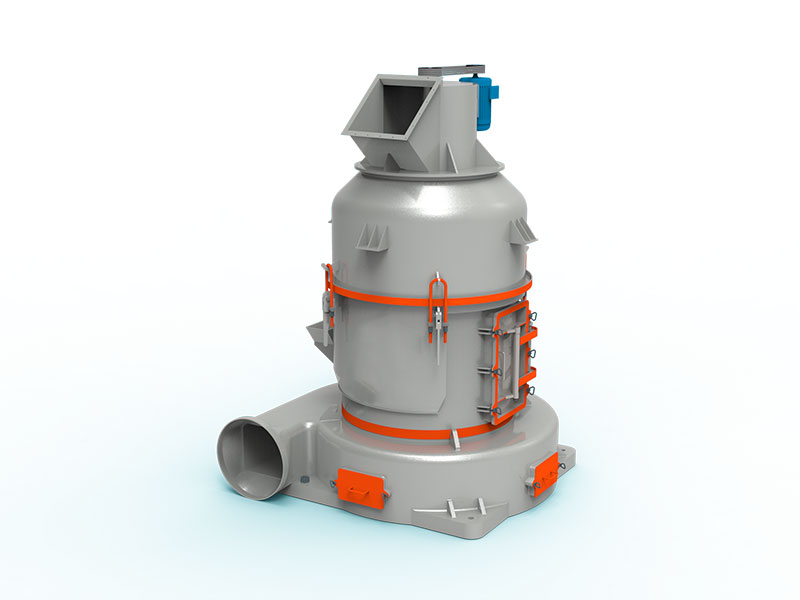
This method mainly produces fine particles, but its efficiency is low and energy consumption is high. It is used for fine grinding of small materials. The material moves relative to a rough working surface under certain pressure and is damaged by friction, causing surface peeling. In practice, this is a complex process involving both compression and shear. For a certain material, when the pressure between the two working surfaces is not less than a certain minimum critical value, or when the gap between the two working surfaces is not less than a certain minimum critical value, the desired crushing effect can be obtained, whether general crushing or selective crushing.
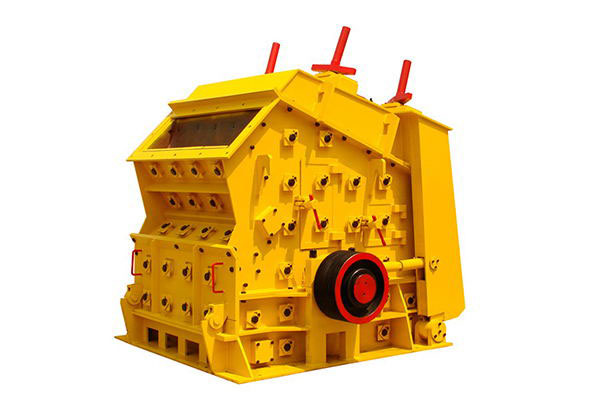
This method is mainly used for crushing brittle materials. When the material collides with a working component at high relative speed, it is subjected to a very short-duration variable load and is shattered. This crushing method is especially suitable for brittle materials of a certain particle size. The crushing range of impact crushing is very wide, from large-piece crushing to ultrafine crushing, and it can be used for many kinds of materials. The most typical example is the
hammer crusher, which is widely used in the food industry. There are also machines that rely on high-speed collision between particles themselves, known as
supersonic jet mills, but their energy consumption is very high.
How to Choose a Crushing Method?
- For materials bonded by strong chemical bonding forces, a crushing method with strong mechanical force should be adopted.
- For ores intended to be crushed to the centimeter level, compression crushing and splitting crushing may be used.
- For ores intended to be ground to the micron or nanometer level, grinding crushing and bending crushing should be used.
- In actual production, multiple crushing methods are often combined in continuous operation.
This article was published on May 22, 2026, and last updated on May 22, 2026. The article will be continuously updated.