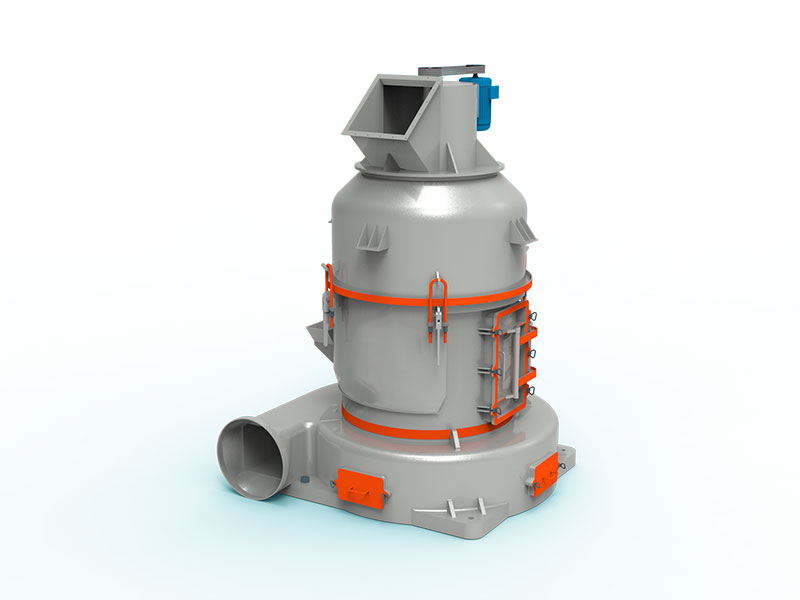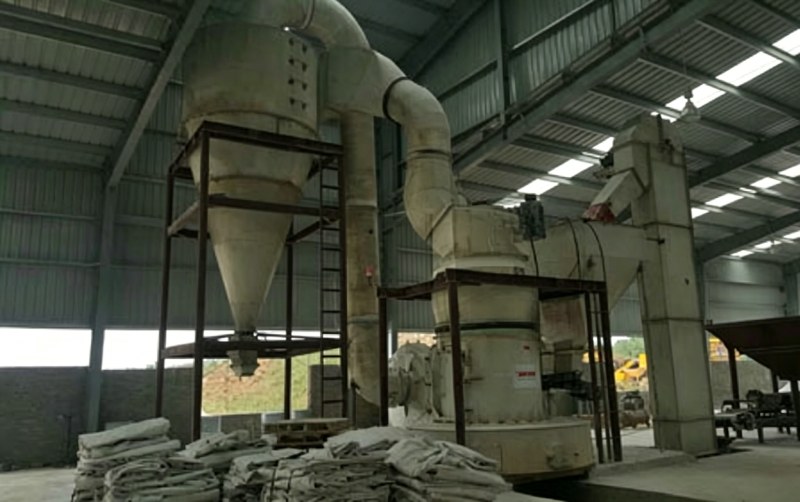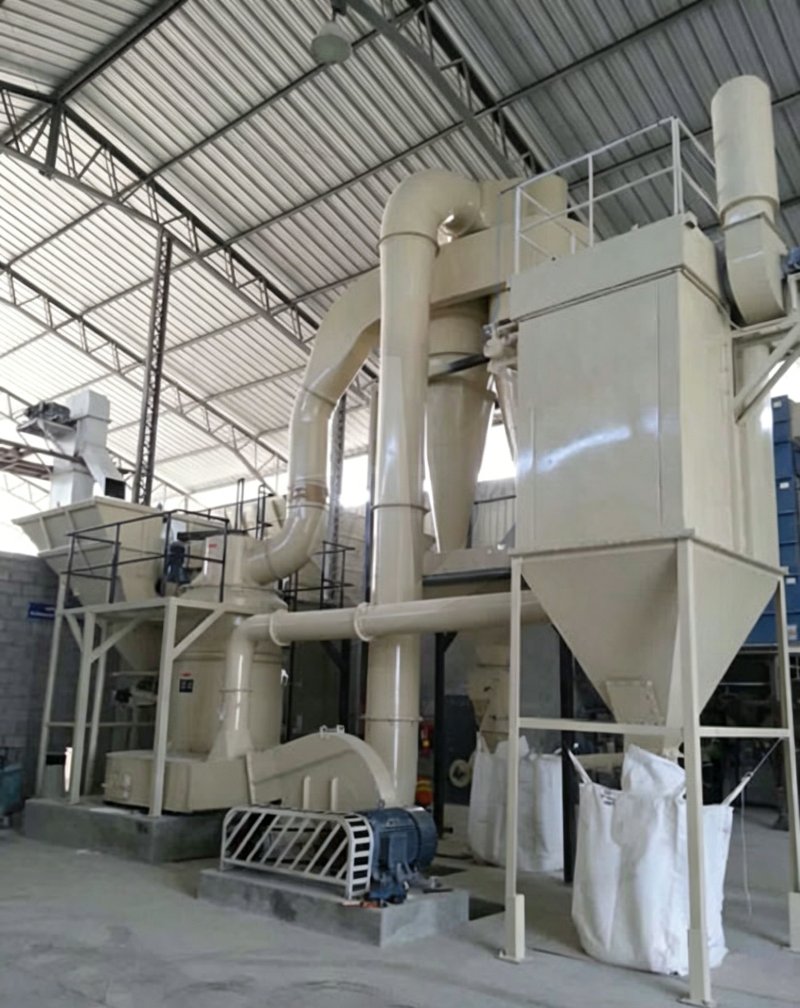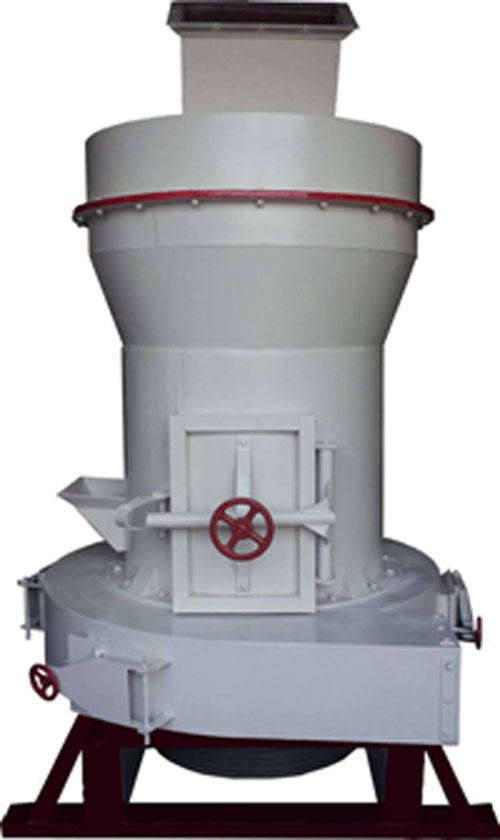

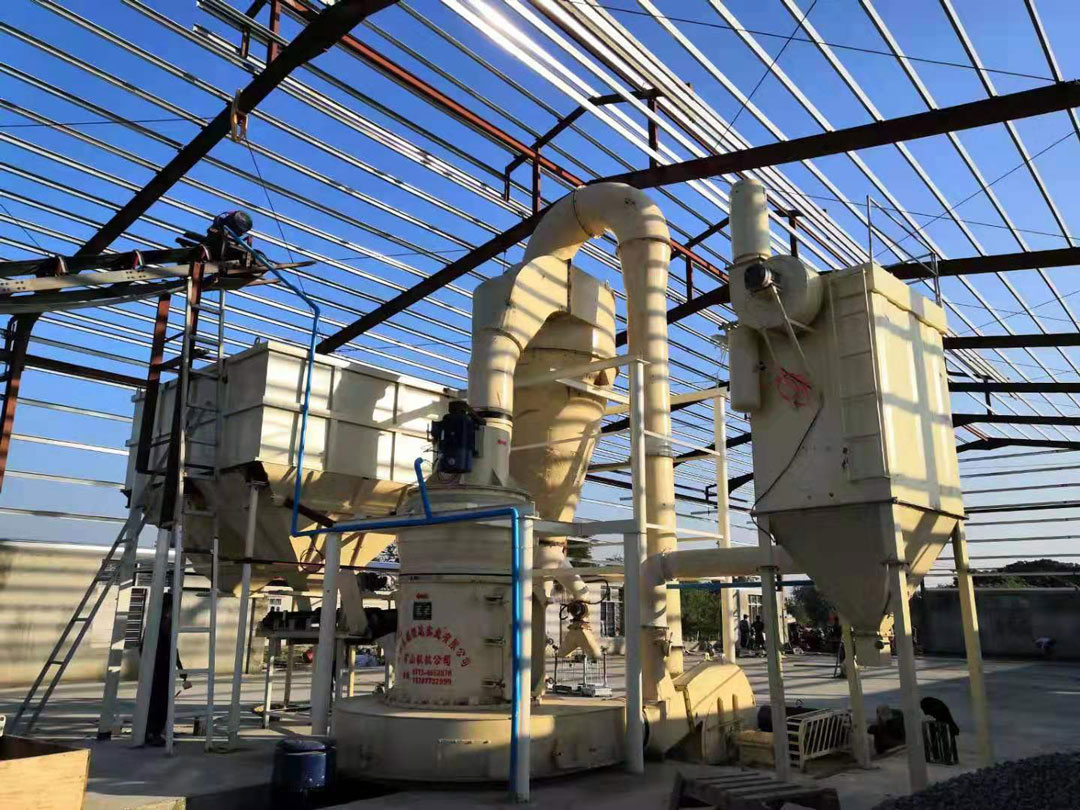
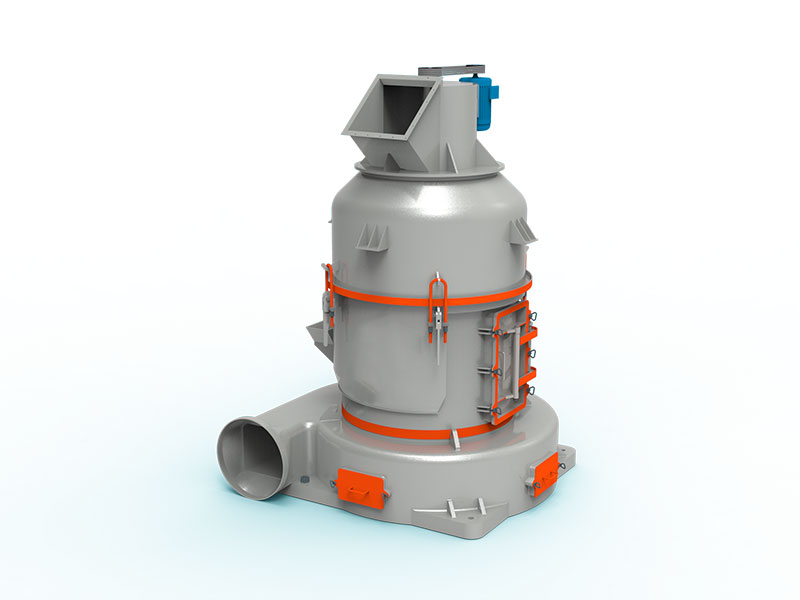
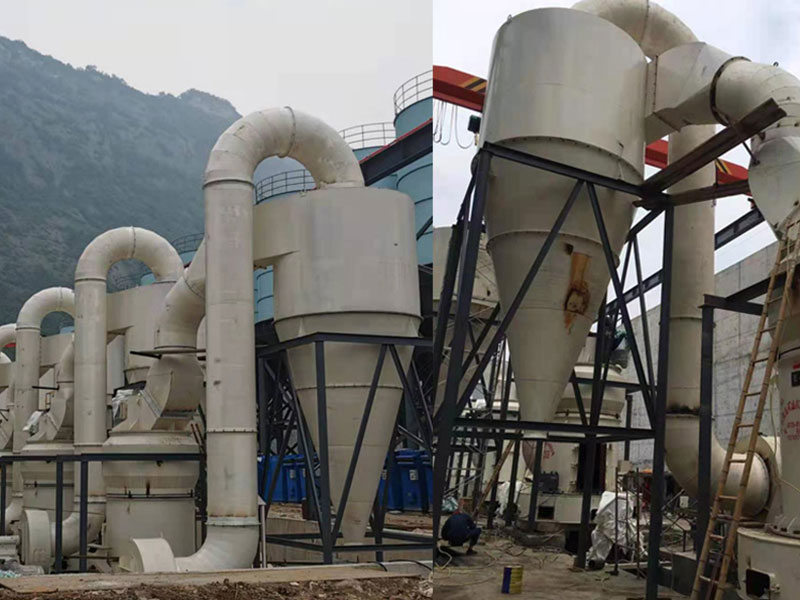
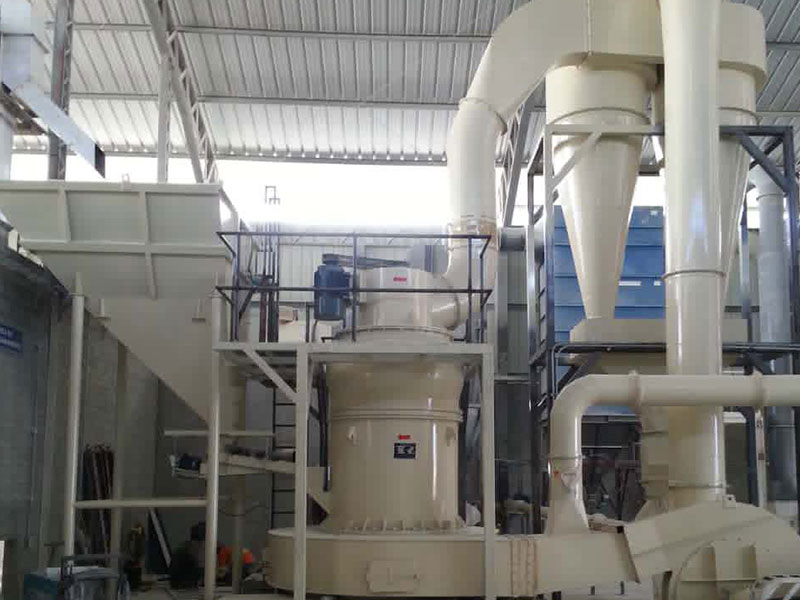
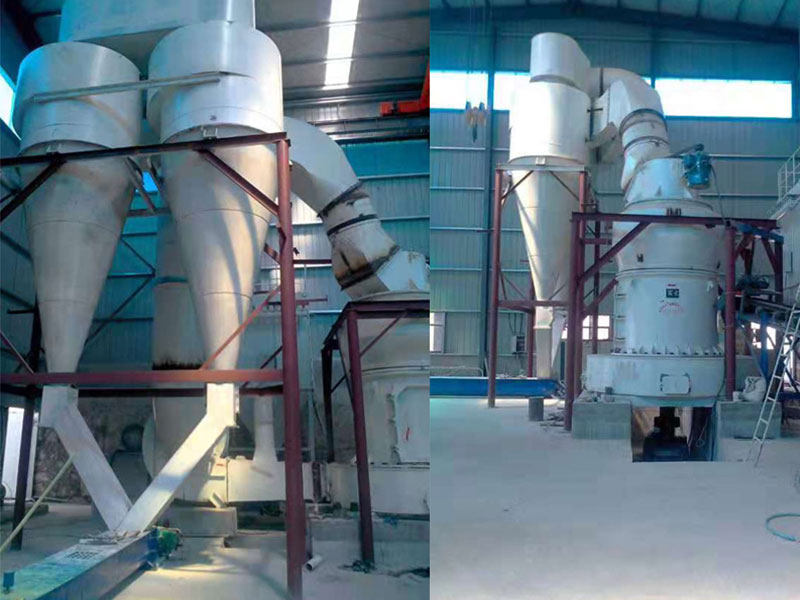
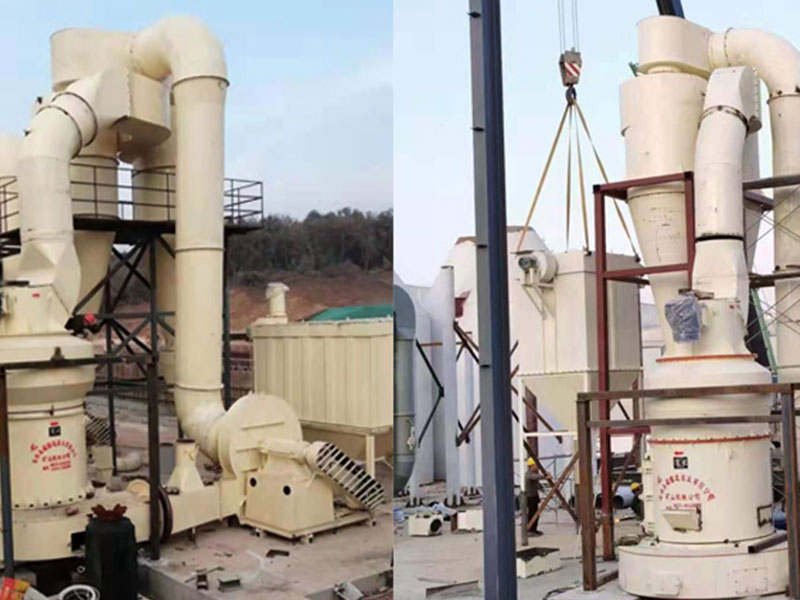
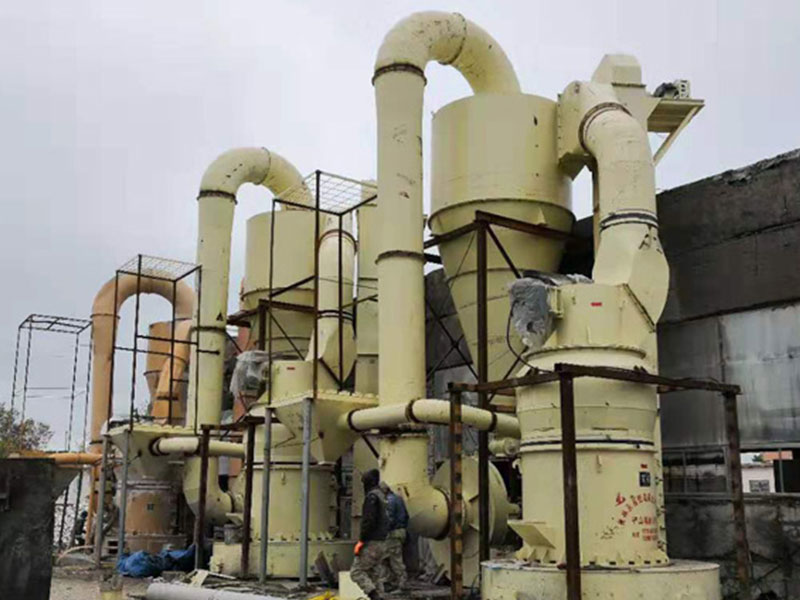
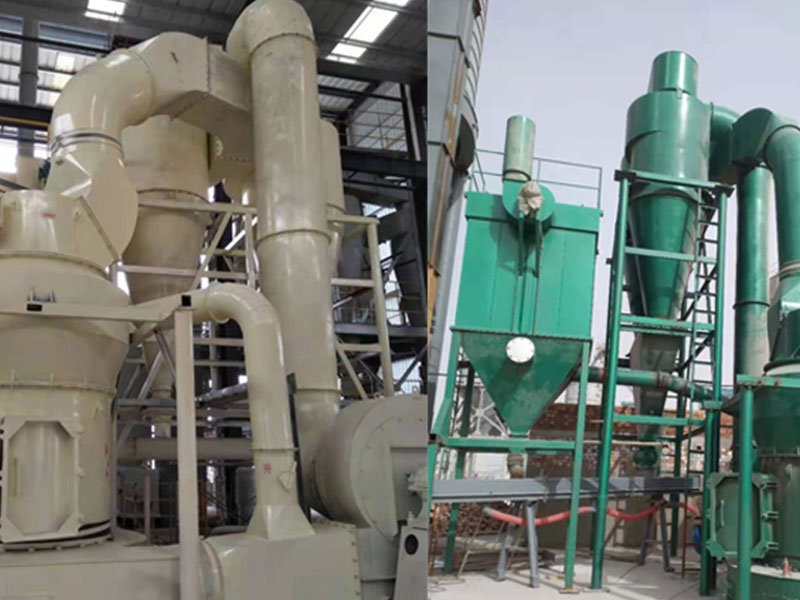
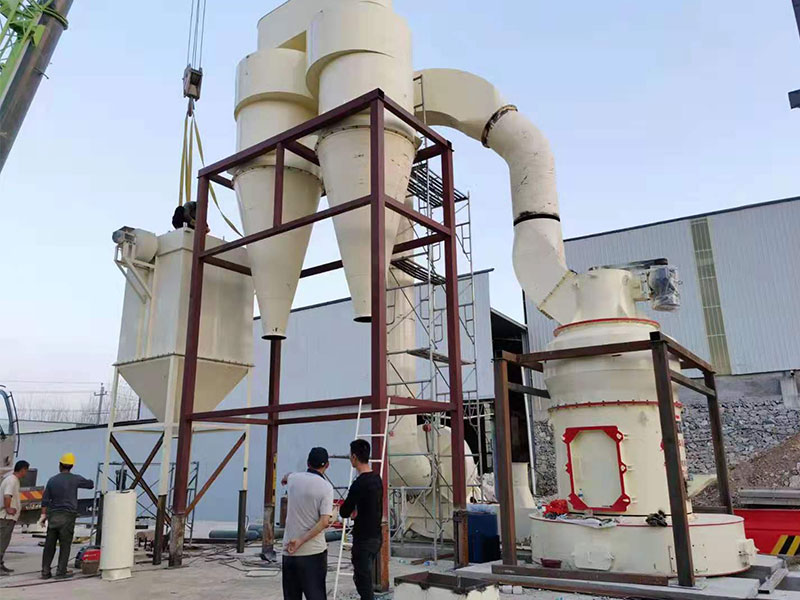
Grinding mills are widely used in the grinding and processing of mineral materials in metallurgy, building materials, chemical engineering, mining, and other fields. According to the fineness of the material to be ground and the fineness of the discharged material, grinding mills can be divided into many types, such as Raymond mills and ultra-fine mills. The production efficiency of a grinding mill directly affects the manufacturer’s profit. Therefore, in production, special attention must be paid to the factors that affect the production efficiency of grinding mills. Today, let us discuss the factors that affect the production efficiency of grinding mills.
Material Hardness
Material hardness is an important factor affecting the production efficiency of a grinding mill. The harder the material, the more difficult it is to process, and the more severe the wear on the equipment. When the material hardness is high, the grinding speed of the mill is very slow, the grinding capacity is small, and the production efficiency is low. Therefore, in daily equipment use, materials with suitable hardness should be ground strictly in accordance with the grinding mill’s operating instructions.Material Moisture
Each model of grinding equipment has different requirements for the moisture content of materials, but regardless of the model, production efficiency will be greatly affected by the moisture content. When the moisture content of the material is high, the material tends to adhere inside the grinding mill and may also easily cause blockage during feeding and conveying, resulting in reduced grinding capacity and lower production efficiency. At the same time, it may also block the circulating air duct and the discharge outlet of the classifier. Therefore, the moisture content of the material needs to be controlled. Generally, the moisture content can be controlled through drying before production.Material Composition
The fine powder contained in the material will also affect the production efficiency of the grinding mill. This is because these fine powders are likely to adhere and affect conveying. When the material contains a large amount of fine powder, it is easy for the powder to stick to the equipment during the grinding process, affecting transportation. For this type of material with a high content of fine powder, it should be screened once in advance.Finished Product Fineness
The higher the user’s requirement for the fineness of the finished product, the lower the grinding capacity of the grinding mill. This is because the material needs to be ground in the mill for a longer period of time, so the amount of finished product produced within the same time is relatively smaller, and production efficiency decreases. If you have very high requirements for the discharge particle size of the material, you may add other equipment according to your own production capacity and financial strength to ensure production efficiency. In addition to the external factors introduced above, there are also some internal factors that affect the production efficiency of grinding mills, such as improper operation by operators and insufficient equipment lubrication. In actual production, these problems should be avoided in time according to the actual situation, so as to improve equipment production efficiency and ensure the economic benefits of the enterprise.This article was published on May 22, 2026, and last updated on May 22, 2026. The article will be continuously updated.