
A complete introduction to the mechanical structure, working principle, and operating process of the Raymond mill
Raymond mill is a commonly used grinding equipment, mainly used for the fine powder processing of more than 280 kinds of non-flammable and non-explosive materials with Mohs hardness not greater than 9.3 and humidity below 6% in mining, chemical, construction, and other industries, such as barite, calcite, potassium feldspar, talc, marble, limestone, dolomite, fluorite, lime, activated clay, activated carbon, bentonite, kaolin, cement, phosphate rock, gypsum, glass, thermal insulation materials, and other materials.Mechanical Structure of the Raymond Mill
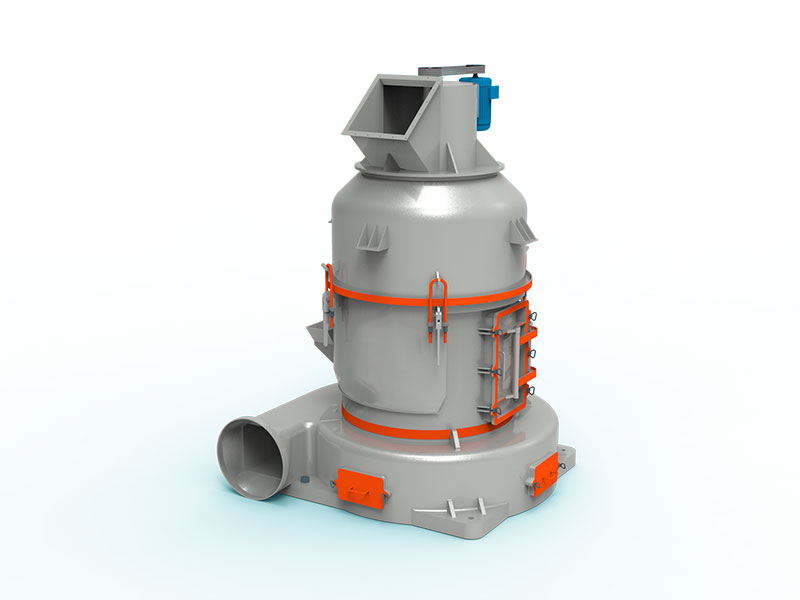
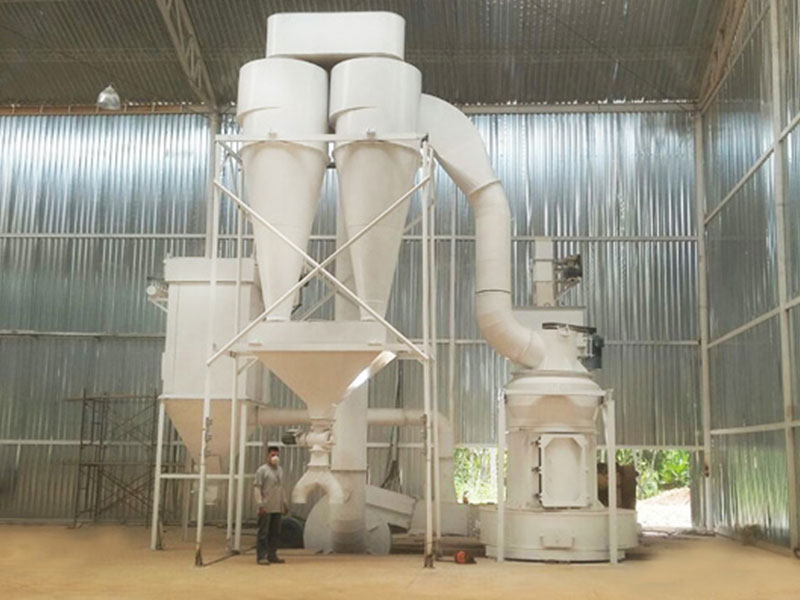
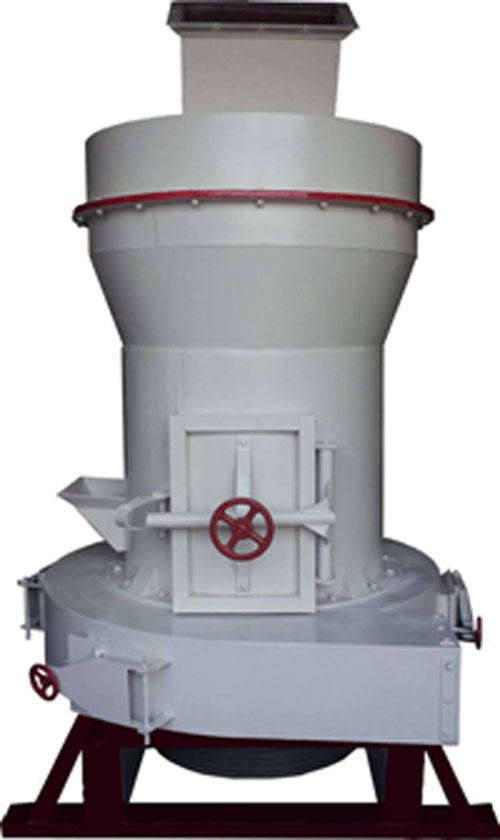
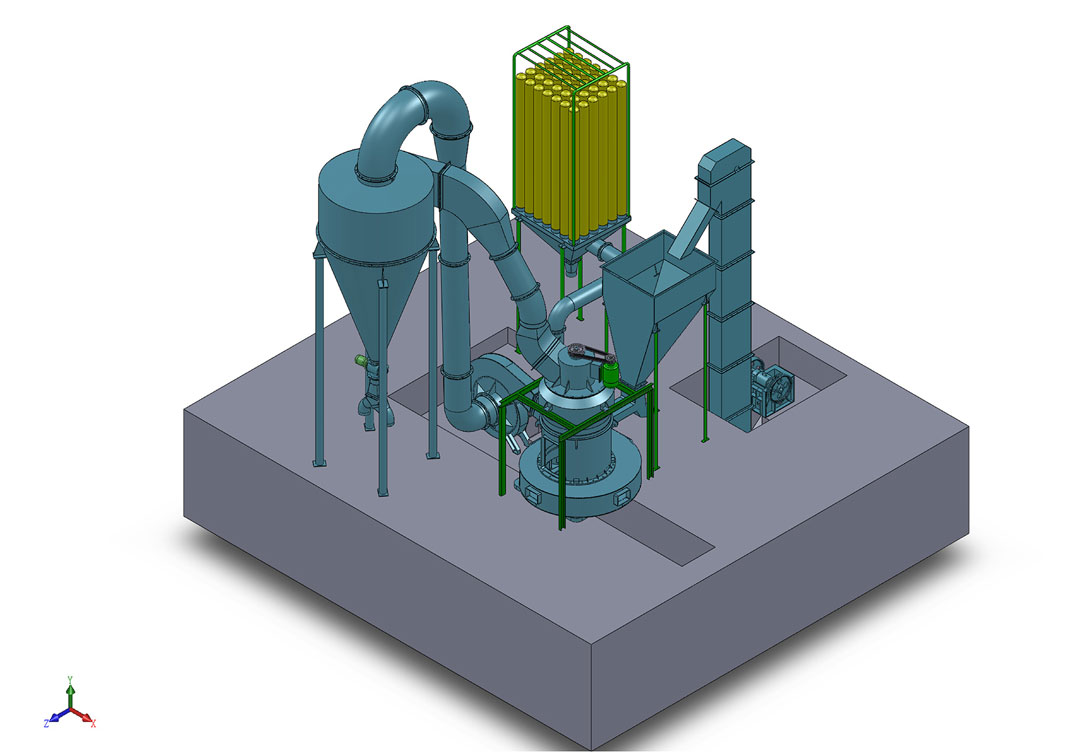
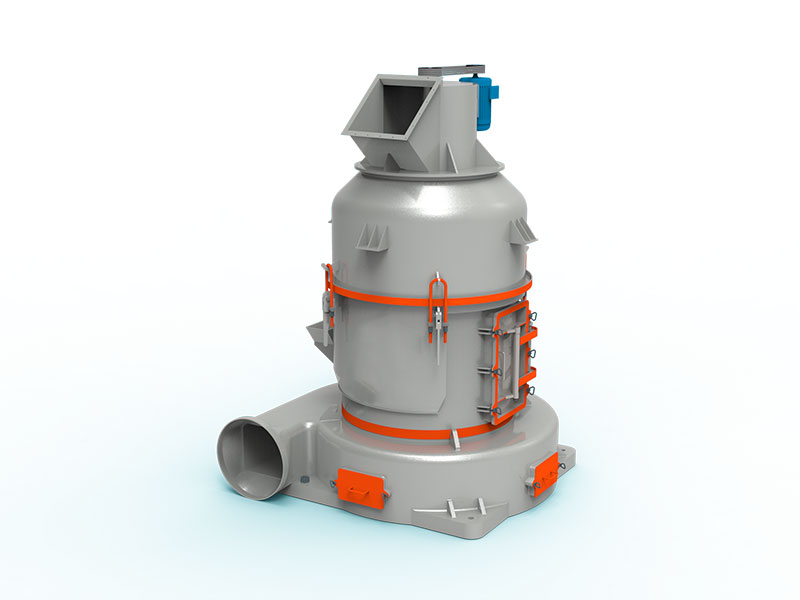
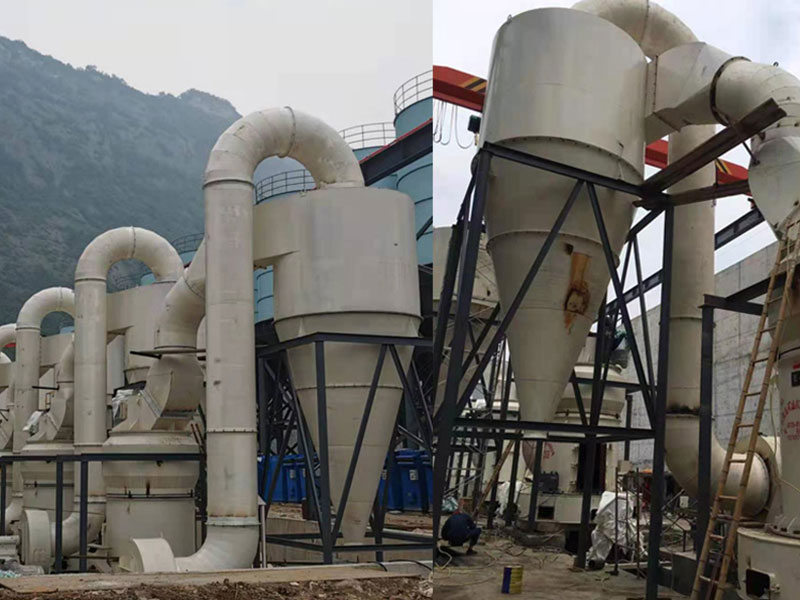
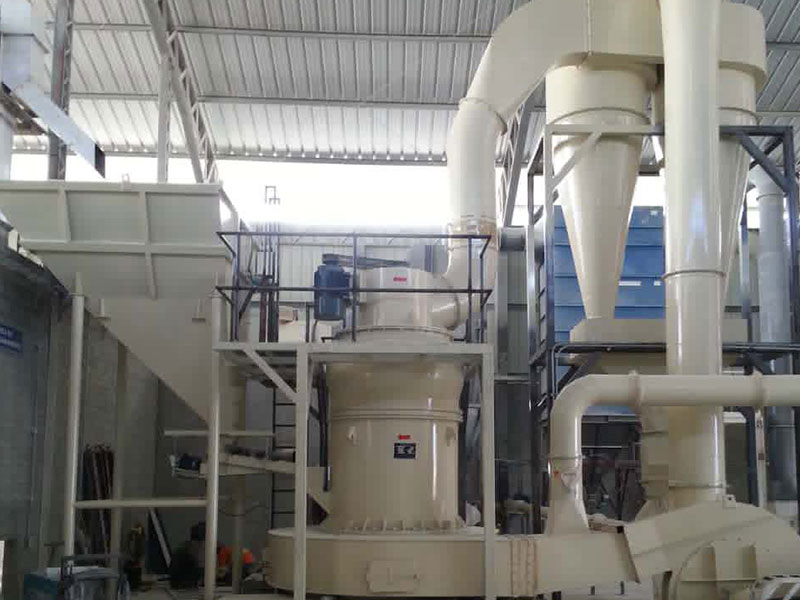
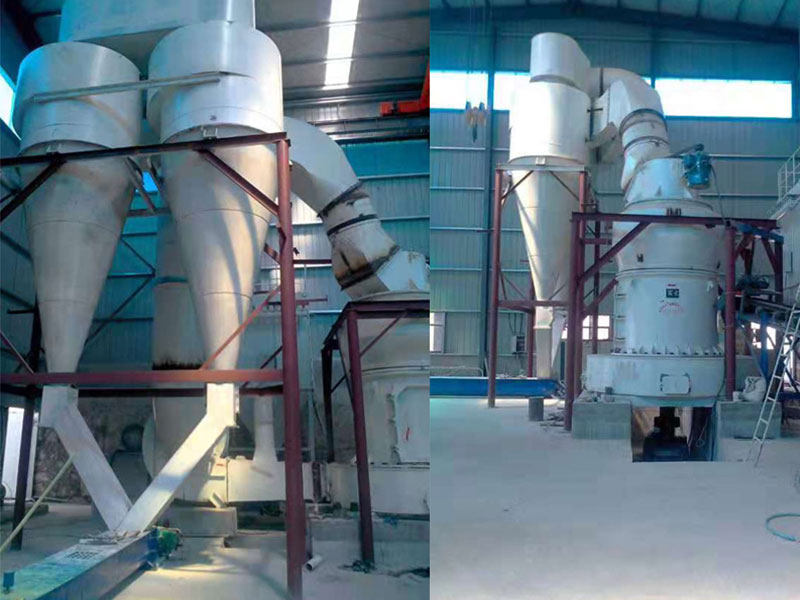
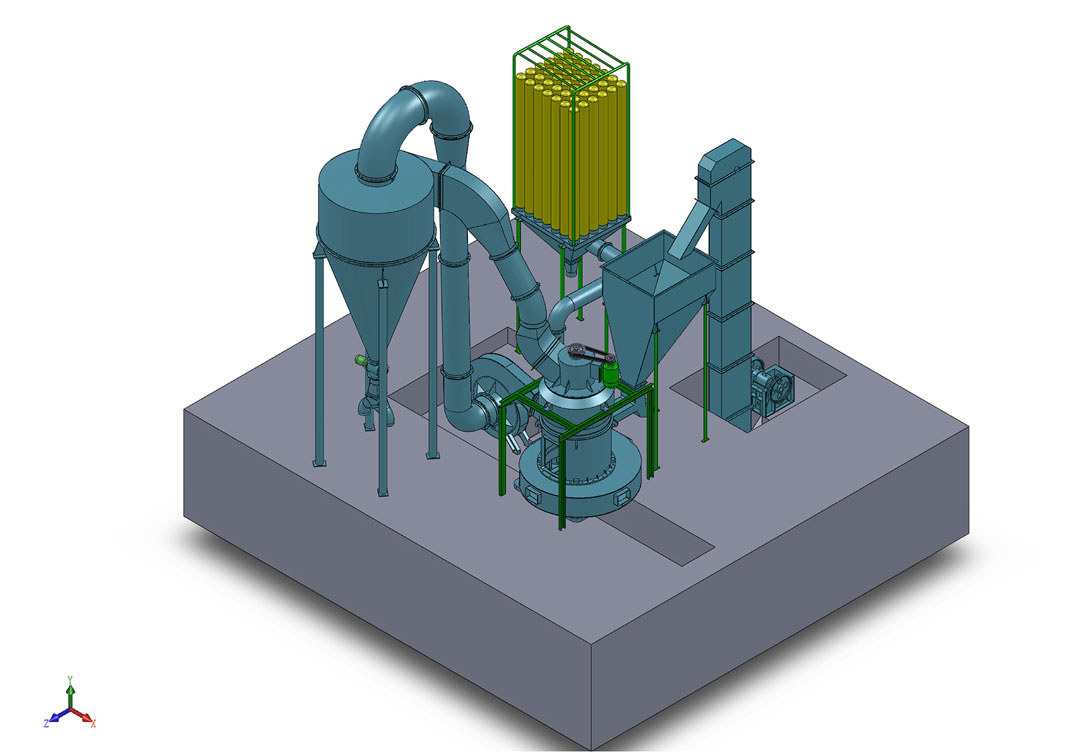
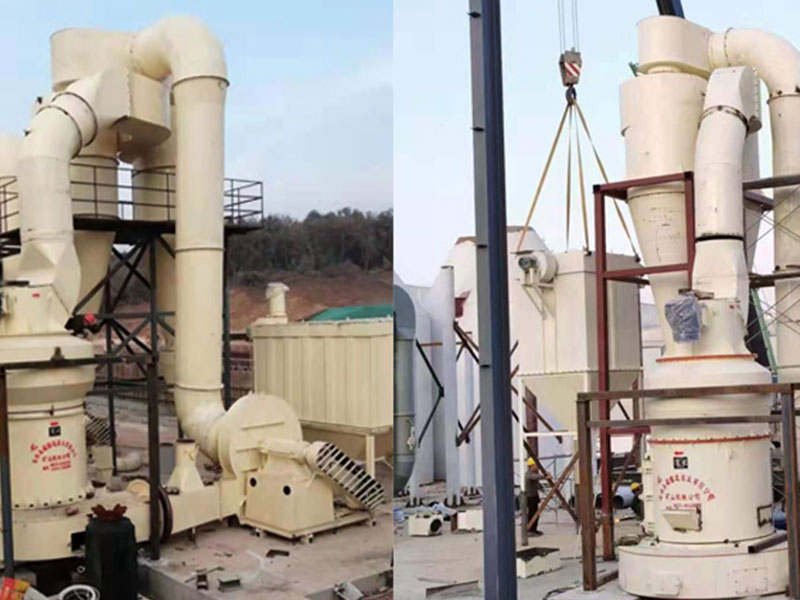
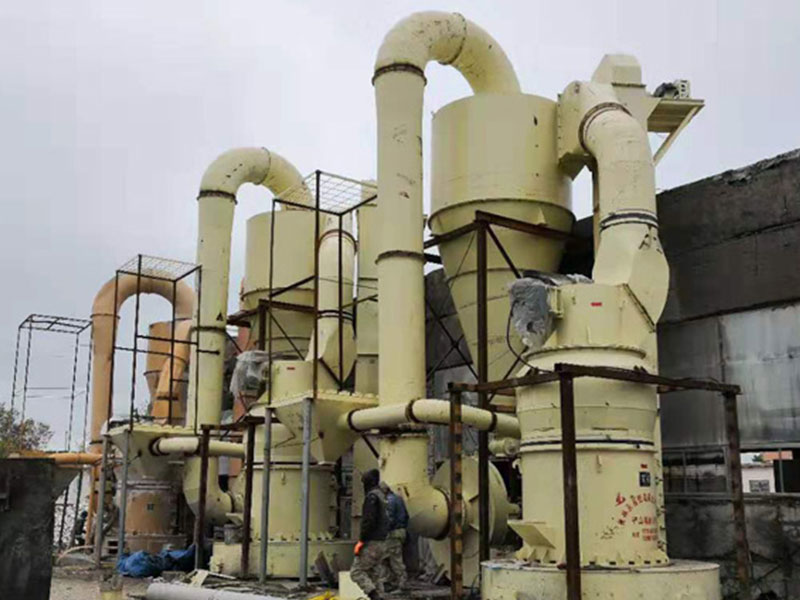
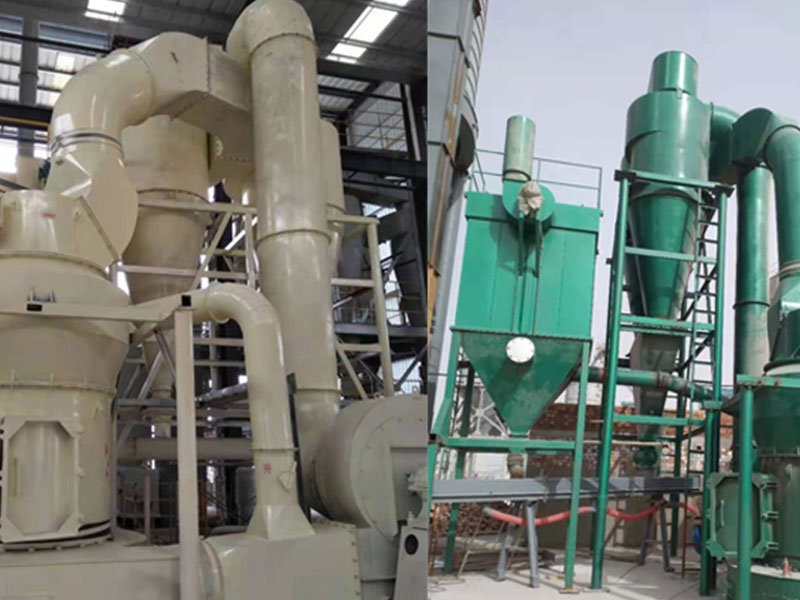
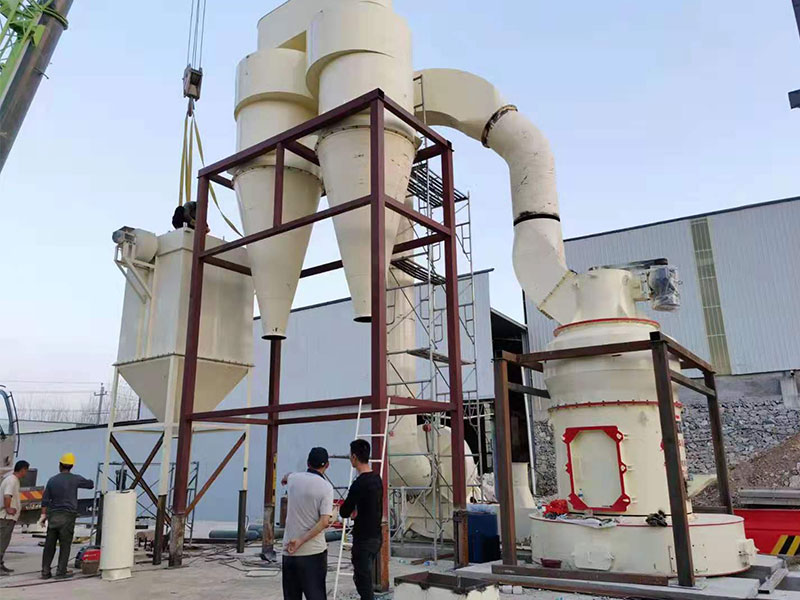
The Raymond mill is mainly composed of the main unit, classifier, blower, finished product cyclone separator, piping device, motor, and other components. Among them, the main unit consists of the machine frame, air inlet volute, shovel blade, grinding roller, grinding ring, housing, and motor. Auxiliary equipment includes a jaw crusher, bucket elevator, electromagnetic vibrating feeder, electrical control cabinet, etc. Users can make flexible selections according to on-site conditions.
- 1. The whole machine has a vertical structure, occupies a small floor area, and has strong system integration. From the coarse processing of raw materials to conveying, powder making, and final packaging, it can form an independent production system by itself.
- 2. Compared with other grinding equipment, the screening pass rate is as high as 99%.
- 3. The transmission device of the Raymond mill main unit adopts a sealed gearbox and belt pulley, featuring stable transmission and reliable operation.
- 4. Important parts of the Raymond grinding mill are made of high-quality castings and profiles. Fine workmanship and rigorous procedures ensure the durability of the complete set of equipment.
- 5. The electrical system adopts centralized control, and the grinding workshop can basically realize unmanned operation, and it is also convenient in terms of maintenance.
Working Principle of the Raymond Mill
After large raw materials are crushed to the required feed size, the materials are conveyed by the bucket elevator to the storage bin, and then evenly sent by the electromagnetic feeder into the grinding chamber of the main unit. The materials entering the grinding chamber are ground between the grinding rollers and the grinding ring. The ground powder is brought by the airflow of the fan to the classifier for grading. The fine powder that meets the fineness requirement is sent with the airflow through the pipeline into the large cyclone collector for separation and collection, and then discharged through the discharger as the finished product.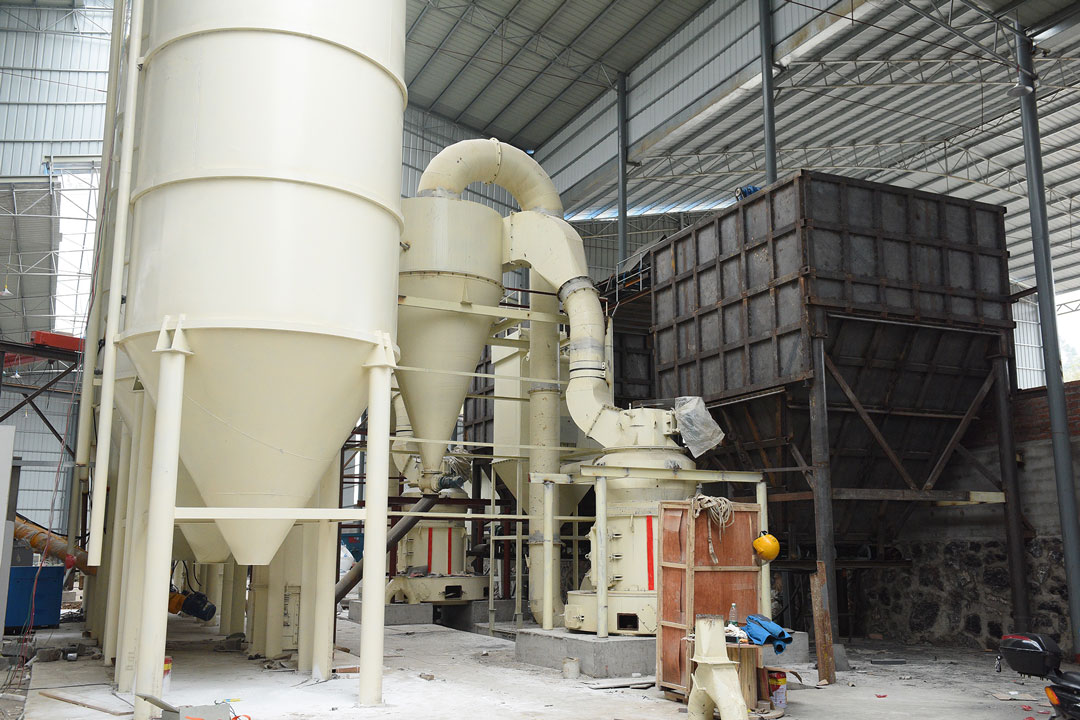 The working process of the main unit is that the transmission device drives the central shaft to rotate. The upper end of the shaft is connected to the plum-blossom frame, on which the grinding roller device is mounted to form a swinging support point. It not only revolves around the center, but the grinding roller also rotates around the grinding ring. During the co-rotation of the shovel blade and the grinding roller, the material is shoveled up and thrown between the grinding roller and the grinding ring, forming a material cushion layer. This material layer is crushed by the outward centrifugal force (that is, extrusion force) generated by the rotation of the grinding roller, thus achieving the purpose of powder making.
The classifier is driven by a speed-regulating motor and a two-stage reduction system to rotate the blades on the turntable, thereby forming the grading effect on the powder. The blade speed is adjusted according to the particle size of the finished powder. If finer particles are required, the blade speed must be increased so that the contact between the blades and the powder increases, causing the unqualified powder to be thrown to the outer wall by the blades and separated from the airflow. Coarse particles fall into the grinding chamber for regrinding due to gravity, while qualified finished powder passes through the blades and is sucked with the airflow into the large cyclone collector. After the airflow and the powder are separated, the powder is collected. The large cyclone collector plays a very important role in the performance of the grinding mill. When the powder-laden airflow enters the collector, it is in a high-speed rotating state. After the airflow and powder are separated, the airflow contracts along the conical wall and moves toward the center to the bottom of the cone (within the natural length of the airflow), forming an upward rotating cylindrical airflow, at which time the powder is collected.
Since the core of the upward rotating airflow is in a negative pressure state, the sealing requirement at the lower end of the collector is very high, and it must be strictly isolated from the outside air. Otherwise, the collected powder will be carried away again by the core airflow, which directly affects the output of the whole machine. Therefore, a powder lock device is installed at the lower end of the collector. Its function is to isolate the positive pressure gas of the outside air from the negative pressure gas inside the collector. This is a very important component. If the powder lock device is not installed, or if the tongue plate of the powder lock device does not fit tightly enough, it will cause no powder discharge or less powder discharge, thereby affecting the output of the whole machine.
The working process of the main unit is that the transmission device drives the central shaft to rotate. The upper end of the shaft is connected to the plum-blossom frame, on which the grinding roller device is mounted to form a swinging support point. It not only revolves around the center, but the grinding roller also rotates around the grinding ring. During the co-rotation of the shovel blade and the grinding roller, the material is shoveled up and thrown between the grinding roller and the grinding ring, forming a material cushion layer. This material layer is crushed by the outward centrifugal force (that is, extrusion force) generated by the rotation of the grinding roller, thus achieving the purpose of powder making.
The classifier is driven by a speed-regulating motor and a two-stage reduction system to rotate the blades on the turntable, thereby forming the grading effect on the powder. The blade speed is adjusted according to the particle size of the finished powder. If finer particles are required, the blade speed must be increased so that the contact between the blades and the powder increases, causing the unqualified powder to be thrown to the outer wall by the blades and separated from the airflow. Coarse particles fall into the grinding chamber for regrinding due to gravity, while qualified finished powder passes through the blades and is sucked with the airflow into the large cyclone collector. After the airflow and the powder are separated, the powder is collected. The large cyclone collector plays a very important role in the performance of the grinding mill. When the powder-laden airflow enters the collector, it is in a high-speed rotating state. After the airflow and powder are separated, the airflow contracts along the conical wall and moves toward the center to the bottom of the cone (within the natural length of the airflow), forming an upward rotating cylindrical airflow, at which time the powder is collected.
Since the core of the upward rotating airflow is in a negative pressure state, the sealing requirement at the lower end of the collector is very high, and it must be strictly isolated from the outside air. Otherwise, the collected powder will be carried away again by the core airflow, which directly affects the output of the whole machine. Therefore, a powder lock device is installed at the lower end of the collector. Its function is to isolate the positive pressure gas of the outside air from the negative pressure gas inside the collector. This is a very important component. If the powder lock device is not installed, or if the tongue plate of the powder lock device does not fit tightly enough, it will cause no powder discharge or less powder discharge, thereby affecting the output of the whole machine.
Important Factors Affecting the Production Capacity of the Raymond Mill
- 1. The hardness of the material. The harder the material, the more difficult it is for the Raymond mill to grind it, and the more serious the wear on the equipment. The grinding speed of the Raymond mill becomes slower, and naturally the grinding capacity becomes smaller.
- 2. The humidity of the material. That is, when the material contains a large amount of moisture, the material is likely to adhere inside the Raymond grinding mill and also likely to block during feeding and conveying, resulting in a reduction in the grinding capacity of the Raymond mill.
- 3. The fineness of the material after grinding. The higher the fineness requirement, that is, the finer the material required from the Raymond mill, the smaller the grinding capacity of the Raymond mill.
- 4. The composition of the material. The more fine powder contained in the material before Raymond grinding, the more it affects the Raymond grinding process, because these fine powders are likely to adhere and affect conveying. For materials with a high content of fine powder, they should be screened once in advance.
- 5. The viscosity of the material. That is, the greater the viscosity of the material, the easier it is to adhere.
- 6. The better the wear resistance of the grinding parts of the Raymond mill (hammer head, jaw plate), the greater the grinding capacity. If they are not wear-resistant, the grinding capacity of the Raymond mill will be affected.
Operating Process of the Raymond Mill
Before starting the Raymond mill workshop equipment, check whether all maintenance doors are tightly closed, check whether the jaw plate gap of the crusher conforms to the feed size requirements, and adjust the classifier speed so that it approximately meets the required finished product particle size. Finally, start the machine in the following order:- Start the bucket elevator;
- Start the jaw crusher;
- After there is material in the storage bin, start the classifier;
- Start the blower (start with no load, and load it only after normal operation is achieved);
- Start the Raymond mill main unit, and at the moment the main unit starts, immediately start the electromagnetic vibrating feeder. At this time, the Raymond grinding operation begins.
- 1. First shut down the feeder to stop feeding;
- 2. About one minute later, stop the main unit;
- 3. After blowing away the remaining powder, stop the blower;
- 4. Finally, stop the classifier.
This article was published on May 22, 2026, and last updated on May 22, 2026. The article will be continuously updated.